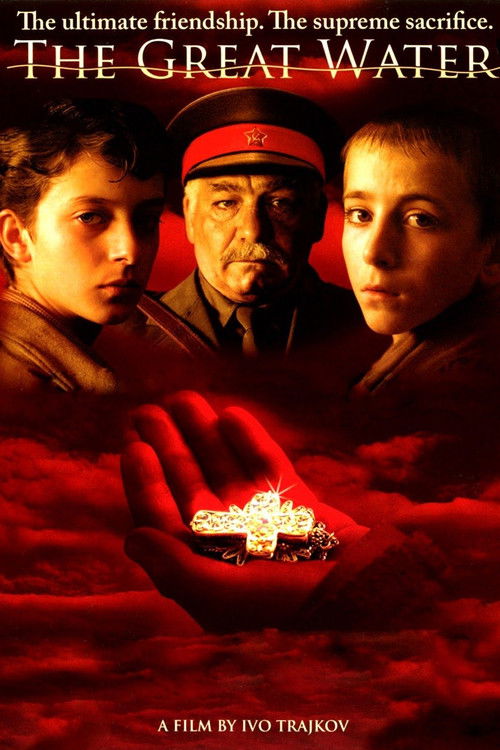
The Great Water 2004
Set against the grim backdrop of Stalinist Yugoslavia, *The Great Water (2004)* follows an elderly communist grappling with his past as he recalls his boyhood in a society shaped by ideological rigidity.
Director: Ivo Trajkov
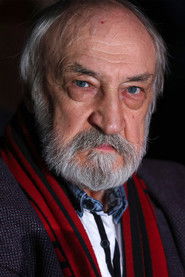
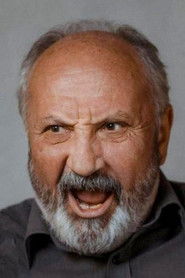
Cast



Frequently Asked Questions
What is The Great Water (2004) about?
*The Great Water (2004)* explores the life of an aging communist reflecting on his childhood during the oppressive Stalinist era in Yugoslavia. The film contrasts the innocence of youth with the harsh realities of a society built on ideological control, revealing how personal and political histories intertwine.
Who directed The Great Water?
The film was directed by Ivo Trajkov, a Macedonian filmmaker known for his evocative storytelling and nuanced character studies.
Who stars in The Great Water?
The cast features Sašo Kekenovski and Maja Stankovska in key roles, alongside Mitko Apostolovski, Verica Nedeska, and Risto Gogovski, delivering performances that anchor the film's emotional depth.
Is The Great Water (2004) worth watching?
While unrated on IMDb, *The Great Water (2004)* is a compelling watch for fans of war dramas and historical introspection. Its thoughtful pacing and thematic richness make it a standout in the genre, offering more substance than typical political narratives.
How long is The Great Water?
The runtime for *The Great Water (2004)* is 93 minutes.
🎥 Trailer
About The Great Water (2004) — A Poignant War Drama of Memory and Ideology
Set against the grim backdrop of Stalinist Yugoslavia, *The Great Water (2004)* follows an elderly communist grappling with his past as he recalls his boyhood in a society shaped by ideological rigidity. Directed by Ivo Trajkov, this war-torn drama blends poignant nostalgia with the weight of collective memory, where the protagonist's fading health mirrors the crumbling ideals of his youth. The film's somber tone is elevated by the raw performances of Sašo Kekenovski and Maja Stankovska, who anchor the story in emotional authenticity as the narrative unfolds through fragmented recollections of a childhood spent under oppression.
The Great Water (2004) unfolds like a quiet elegy for lost innocence, where the echoes of political dogma clash with the innocence of youth. Trajkov's direction lends a contemplative pace to the film, immersing viewers in the psychological toll of growing up in a regime that demanded conformity above all else. Marked by stark visuals and a haunting score, this 93-minute drama lingers as a testament to resilience, where the protagonist's reflections reveal both the scars and fleeting joys of a life shaped by history's shadows.