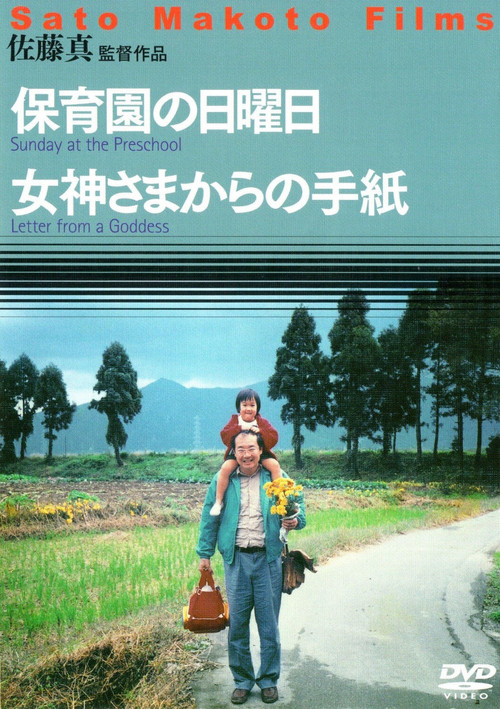
Letter from a Goddess 1999
Makoto Satō's *Letter from a Goddess (1999)* is a concise yet evocative documentary shot on 16mm film, capturing fleeting moments that feel both intimate and universal.
Director: Makoto Satō
Frequently Asked Questions
What is Letter from a Goddess (1999) about?
*Letter from a Goddess* is a poetic documentary that explores the beauty in small, often overlooked moments of life. Through its 16mm lens, the film weaves together images and whispers that feel both timeless and deeply personal.
Who directed Letter from a Goddess?
Makoto Satō directed *Letter from a Goddess*. His work is known for blending documentary realism with lyrical storytelling.
Who stars in Letter from a Goddess?
The cast of *Letter from a Goddess* is not listed in the available sources. The film focuses on unnamed subjects and locations rather than traditional actors.
Is Letter from a Goddess (1999) worth watching?
As a short documentary, *Letter from a Goddess* offers a unique viewing experience for fans of poetic cinema. Its 30-minute runtime and artistic approach make it a compelling watch for those who appreciate understated visual storytelling.
How long is Letter from a Goddess?
The runtime of *Letter from a Goddess* is 30 minutes.
About Letter from a Goddess (1999) — A Short 16mm Documentary That Speaks Volumes
Makoto Satō's *Letter from a Goddess (1999)* is a concise yet evocative documentary shot on 16mm film, capturing fleeting moments that feel both intimate and universal. The film's black-and-white visuals and minimalist approach invite viewers to reflect on themes of memory, longing, and the quiet beauty hidden in everyday encounters. Through its delicate framing and understated storytelling, the documentary transforms ordinary scenes into something almost mythic, as if each frame holds a whispered secret from another time.
Despite its short runtime, *Letter from a Goddess (1999)* lingers in the mind, blending observational documentary techniques with a poetic sensibility. The director's choice of 16mm lends the film a nostalgic texture, evoking the golden age of cinema while remaining firmly rooted in the present. Whether through faces glimpsed in passing or landscapes that feel like memories, the film leaves audiences with a sense of connection to something larger than themselves.