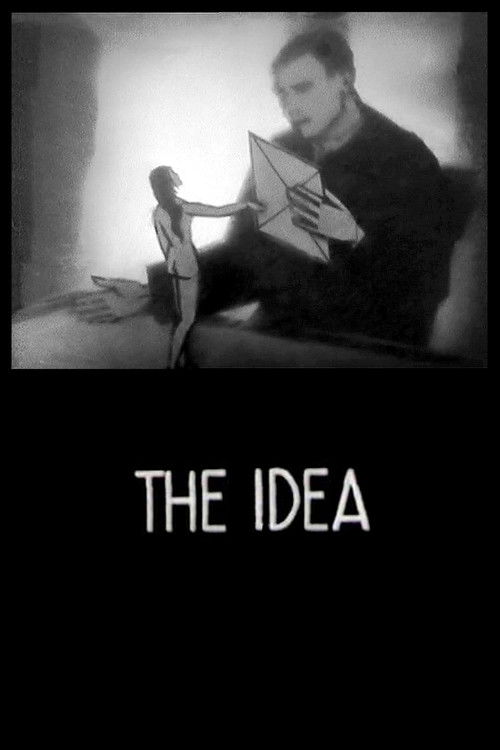
The Idea 1932
Dive into Berthold Bartosch's avant-garde animation masterpiece *The Idea* (1932), a 25-minute short film that redefined the boundaries of the medium.
Director: Berthold Bartosch
Frequently Asked Questions
What is The Idea (1932) about?
*The Idea* is a silent, black-and-white animated short that uses symbolic imagery to explore themes of struggle, idealism, and societal progress. The film follows a lone figure navigating a stark, dreamlike world, embodying Bartosch's personal and artistic journey. Its narrative is open to interpretation, inviting viewers to find their own meaning in its evocative visuals.
Who directed The Idea?
The film was directed by Berthold Bartosch, a pioneering animator and filmmaker whose work helped shape the artistic potential of the medium.
Who stars in The Idea?
Cast information for *The Idea* is not publicly documented, as the film's credits remain uncredited.
Is The Idea (1932) worth watching?
While *The Idea* is a niche work, its historical significance in animation history makes it fascinating for enthusiasts of experimental cinema. The film's artistic ambition and emotional depth may resonate with viewers who appreciate avant-garde storytelling, even if its uncompromising style isn't for everyone.
How long is The Idea?
The runtime of *The Idea* (1932) is approximately 25 minutes.
About The Idea (1932) — Berthold Bartosch's Poetic Animation Masterpiece
Dive into Berthold Bartosch's avant-garde animation masterpiece *The Idea* (1932), a 25-minute short film that redefined the boundaries of the medium. This poetic and deeply personal work blends stunning visuals with raw emotional resonance, as Bartosch channels his own hopes, fears, and social ideals into a hauntingly beautiful allegory. The film's dreamlike atmosphere and allegorical storytelling challenge viewers to interpret its layers of meaning, from political commentary to existential reflection. Though the cast remains uncredited, Bartosch's visionary direction elevates animation from mere entertainment to a profound art form, proving that even in its earliest days, the medium could carry the weight of human experience.
While *The Idea* is a product of its time, its themes feel remarkably timeless. Bartosch's use of shadows, light, and symbolic imagery creates an almost cinematic poetry, where every frame feels deliberate and charged with subtext. The film's brevity only enhances its impact, leaving audiences to ponder its messages long after the final image fades. For lovers of experimental cinema and animation history, *The Idea* remains a must-see—a testament to the power of art to inspire change and evoke deep emotion.