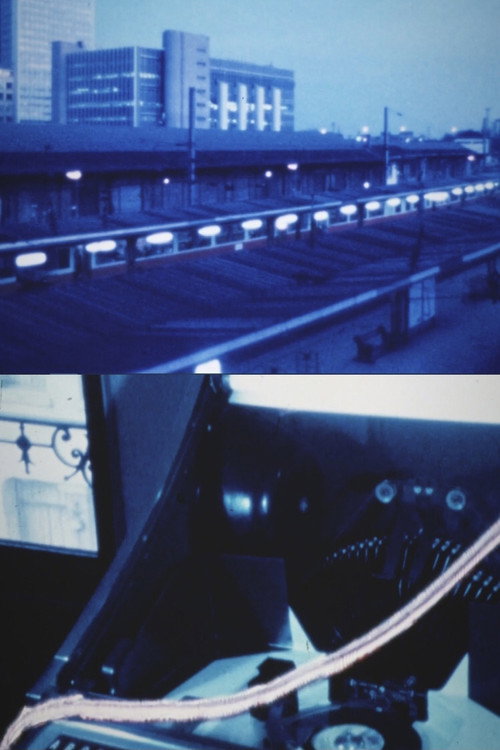
Transports 1985
Pierre Bressan's *Transports* (1985) is a quietly intense character study wrapped in a sparse, atmospheric narrative. Clocking in at 104 minutes, this French film immerses viewers in a world where movement—physical, emotional, and psychological—becomes the central metaphor.
Director: Pierre Bressan
Frequently Asked Questions
What is Transports (1985) about?
*Transports* explores the quiet transitions of life through a series of vignettes centered on movement—both physical and emotional. The film doesn't follow a traditional plot but instead weaves together moments of introspection and displacement, asking viewers to ponder what it means to be in transit, literally or otherwise.
Who directed Transports?
Pierre Bressan directed *Transports* (1985). His work is known for its restrained yet evocative approach to storytelling, often focusing on the inner lives of characters against subtle backdrops.
Who stars in Transports?
Cast details for *Transports* (1985) are not publicly listed, keeping the film's focus firmly on its themes rather than individual performances.
Is Transports (1985) worth watching?
If you appreciate slow-burn cinema that prioritizes mood and atmosphere over spectacle, *Transports* (1985) is worth tracking down. Its lack of a traditional plot may not appeal to everyone, but its contemplative tone and visual precision make it a standout for fans of arthouse filmmaking. Without an IMDb rating to guide expectations, it's best approached as a hidden gem rather than a must-see.
How long is Transports?
*Transports* (1985) runs for 104 minutes.
About Transports (1985) — A Meditative French Drama on Movement and Stillness
Pierre Bressan's *Transports* (1985) is a quietly intense character study wrapped in a sparse, atmospheric narrative. Clocking in at 104 minutes, this French film immerses viewers in a world where movement—physical, emotional, and psychological—becomes the central metaphor. Without relying on grand set pieces, Bressan crafts a meditative experience that lingers on the quiet moments of transition, whether literal journeys or internal shifts. The mood is introspective, tinged with melancholy, as the story unfolds with deliberate pacing, inviting audiences to reflect on the weight of every footstep and decision. Though modest in scale, *Transports* resonates with universal themes of displacement and the search for meaning in ordinary moments.
Stripped of overt drama, the film finds power in subtlety, using urban landscapes and fleeting encounters to build its emotional core. The director's signature style shines through in the way he frames isolation—not as a flaw, but as a shared human experience. Whether you're drawn to character-driven cinema or drawn to films that treat stillness as an art form, *Transports* (1985) offers a rewarding, if understated, cinematic escape.