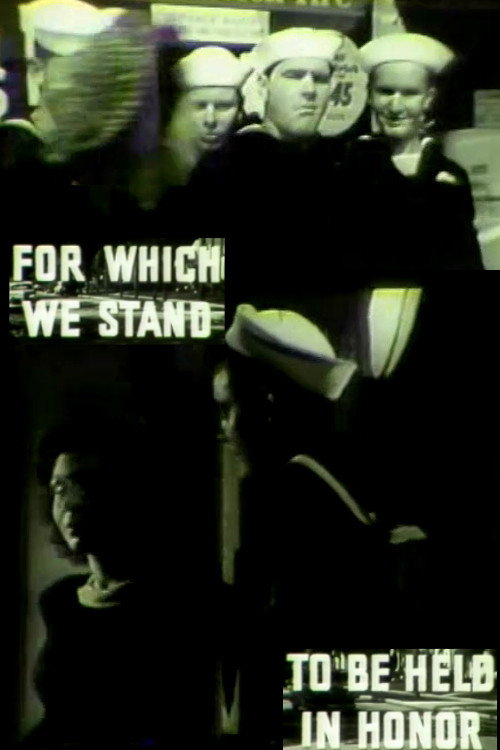
For Which We Stand: To Be Held In Honor 1950
"United States Navy Training Film"
Released in 1950, 'For Which We Stand: To Be Held In Honor' stands as a distinctive United States Navy training film that explores themes of morality, duty, and personal conduct among servicemen.
Frequently Asked Questions
What is For Which We Stand: To Be Held In Honor (1950) about?
This 1950 Navy training film follows servicemen as they learn about the importance of sexual abstinence and moral conduct. Through military officers, it emphasizes marriage over casual relationships and teaches that long-term happiness comes from honoring divine will and personal discipline.
Who directed For Which We Stand: To Be Held In Honor?
Director information is not available.
Who stars in For Which We Stand: To Be Held In Honor?
Cast information is not available for this film.
Is For Which We Stand: To Be Held In Honor (1950) worth watching?
While unrated on IMDb, this film holds historical value as a window into 1950s military culture and social values. Its short runtime makes it accessible for those interested in vintage training films or military history.
How long is For Which We Stand: To Be Held In Honor?
The film runs for 21 minutes.
About For Which We Stand: To Be Held In Honor (1950) — Navy Training Drama Explores Morality
Released in 1950, 'For Which We Stand: To Be Held In Honor' stands as a distinctive United States Navy training film that explores themes of morality, duty, and personal conduct among servicemen. This short but impactful drama delves into the consequences of casual relationships and emphasizes the importance of honoring marriage and family values. Through the perspectives of military officers, the film presents a compelling argument for long-term happiness over immediate gratification, creating an atmosphere of disciplined reflection typical of wartime educational materials.
The narrative follows servicemen as they grapple with questions of sexual abstinence and moral conduct, guided by a medical officer who reassures them that avoiding promiscuity won't harm their virility. A commanding officer reinforces that maintaining proper conduct isn't just a medical or spiritual concern—it's crucial for unit cohesion and military effectiveness. This drama-romance hybrid offers a fascinating glimpse into mid-century military culture and the values promoted during that era, making it historically significant for those interested in WWII-era social conditioning.