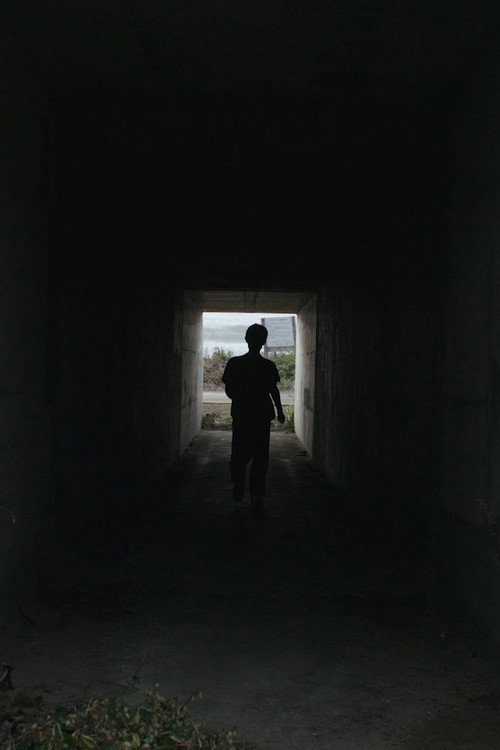
にびさびの巣 2022
Director Jin Okada's intimate drama にびさびの巣 (2022) explores the quiet disorientation of change through the eyes of Haruto, a young man reeling from his grandmother's passing.
Director: Jin Okada
Cast
Frequently Asked Questions
What is にびさびの巣 (2022) about?
The film follows Haruto, a Tokyo resident grappling with the rapid changes in his city and relationships after his grandmother's death. When his sister summons him to demolish their childhood home, he discovers a will that forces him to confront buried truths about family secrets and his own denial of adulthood.
Who directed にびさびの巣?
Jin Okada, a Japanese filmmaker known for his introspective storytelling and focus on emotional landscapes in short-form drama.
Who stars in にびさびの巣?
The cast centers on Jin Okada himself as Haruto, with additional performances by his sister Akane as herself—a pivotal figure in the narrative.
Is にびさびの巣 (2022) worth watching?
While not rated on IMDb, the film's depth lies in its delicate exploration of grief and maturity. Fans of quiet, character-driven dramas will appreciate its sincerity, though its brevity may limit its mainstream appeal. It's a reflective watch best suited for those who enjoy subtle, thematic storytelling.
How long is にびさびの巣?
The runtime is 41 minutes.
🎥 Trailer
にびさびの巣 (2022): A Tokyo Family Drama About Memory and Change — Full Movie Info
Director Jin Okada's intimate drama にびさびの巣 (2022) explores the quiet disorientation of change through the eyes of Haruto, a young man reeling from his grandmother's passing. When his sister Akane calls him back to their family home in Tokyo, he expects closure but instead uncovers layers of unresolved emotions hidden in the walls of the house he once took for granted. The crumbling structure becomes a metaphor for shifting relationships, deceit, and the bittersweet permanence of memory, set against a city that never stands still.
With its minimalist runtime of 41 minutes, Okada crafts a poignant character study steeped in Japanese drama tropes, where nostalgia and modernity collide. The film's title, which evokes the concept of 'sabi'—the beauty of aging—frames Haruto's journey as one of reluctant growth, proving that even the most sheltered hearts must eventually leave the nest.