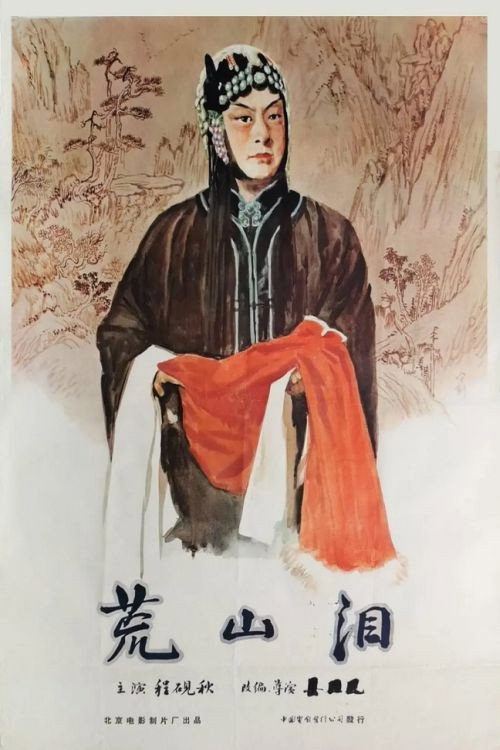
Tears in the Barren Mountain 1956
Set against the bleak backdrop of China's Ming dynasty, *Tears in the Barren Mountain* (1956) weaves a poignant tale of struggle and resilience.
Director: Wu Zuguang
Cast
Frequently Asked Questions
What is Tears in the Barren Mountain (1956) about?
The film portrays a poverty-stricken Ming dynasty family crushed by relentless taxation, their daily labor offering no escape from financial ruin. As the burden grows heavier, their resilience is tested to the brink of despair.
Who directed Tears in the Barren Mountain?
Wu Zuguang directed this emotionally charged drama.
Who stars in Tears in the Barren Mountain?
The film features starring performances from Cheng Yanqiu, Hu Xueli, and Qian Baosen.
Is Tears in the Barren Mountain (1956) worth watching?
Though unrated, this historical drama's blend of gripping narrative and musical depth makes it a compelling watch for fans of classic Chinese cinema. Its themes of struggle and survival resonate powerfully.
How long is Tears in the Barren Mountain?
The runtime for Tears in the Barren Mountain is 106 minutes.
About Tears in the Barren Mountain (1956) — A Ming Dynasty Drama of Taxation and Tragedy
Set against the bleak backdrop of China's Ming dynasty, *Tears in the Barren Mountain* (1956) weaves a poignant tale of struggle and resilience. Directed by Wu Zuguang, this dramatic masterpiece follows a destitute working-class family drowning in the suffocating weight of relentless taxation. Their relentless toil yields no relief, painting a stark portrait of human endurance amidst systemic oppression. Blending soul-stirring music with raw drama, the film immerses viewers in a world where hope is as fragile as the mountain winds. Cheng Yanqiu, Hu Xueli, and Qian Baosen deliver performances steeped in emotional depth, anchoring the narrative in unforgettable humanity. A forgotten gem of Chinese cinema, this 106-minute film is a haunting meditation on sacrifice and survival.
Wu Zuguang's direction lends the story a lyrical intensity, transforming hardship into art. The film's stark visuals and evocative soundtrack amplify its themes of oppression and quiet rebellion, making it a standout in the drama-music genre. Whether you're drawn to historical drama or the power of music in storytelling, *Tears in the Barren Mountain* (1956) offers a cinematic experience that lingers long after the credits roll.