Vision 1989
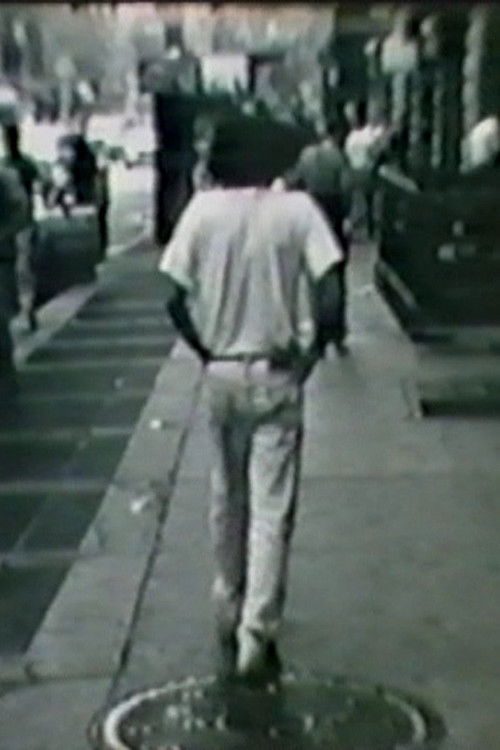
Abdullah Habib's *Vision (1989)* is a striking short drama that captures a fleeting yet poignant moment in New York City. Shot amidst the urban sprawl, the film weaves a minimalist narrative that lingers on the unspoken emotions of its characters.
Director: Abdullah Habib
Frequently Asked Questions
What is Vision (1989) about?
*Vision* is a short film that immerses viewers in the quiet moments of New York City life, focusing on the unspoken emotions of its characters. Through its minimalist storytelling, the film explores themes of isolation and human connection in an urban landscape.
Who directed Vision?
Abdullah Habib directed *Vision (1989)*, crafting a visually arresting short film that highlights the nuances of city life.
Who stars in Vision?
Cast details for *Vision* are not publicly listed, leaving the focus entirely on the film's atmospheric storytelling.
Is Vision (1989) worth watching?
While *Vision* is unrated and short in duration, its minimalist approach and atmospheric take on urban life make it a compelling watch for fans of indie dramas. The film's focus on raw emotion and NYC's gritty charm sets it apart as a unique cinematic experience.
How long is Vision?
The runtime for *Vision (1989)* is listed as 2 minutes.
About Vision (1989) — A Minimalist Drama Capturing NYC's Hidden Stories
Abdullah Habib's *Vision (1989)* is a striking short drama that captures a fleeting yet poignant moment in New York City. Shot amidst the urban sprawl, the film weaves a minimalist narrative that lingers on the unspoken emotions of its characters. With its stark black-and-white aesthetic, the movie transforms the city's hustle into a canvas for introspection, exploring themes of isolation and the search for meaning. The 2-minute runtime packs a punch, leaving viewers with a haunting sense of connection to the unseen stories unfolding around us.
Despite its brevity, *Vision* stands out for its raw authenticity and atmospheric storytelling. Habib's direction pares down the extraneous, focusing on the essence of human experience—those quiet glances and unspoken words that reveal more than any monologue. The film's minimalist approach invites audiences to fill in the blanks, making it a memorable snapshot of early 1980s New York and a testament to the power of brevity in cinema.