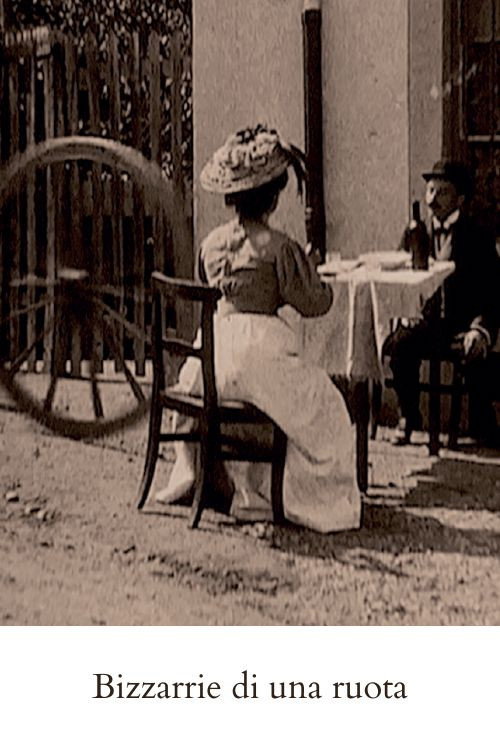
Bizzarrie di una ruota 1908
Bizzarrie di una ruota (1908) is one of cinema's earliest surviving slapstick comedies, a playful three-minute chase that turns a runaway carriage wheel into a catalyst for chaos.
Frequently Asked Questions
What is Bizzarrie di una ruota (1908) about?
This 1908 silent short follows a boy's playful push of a carriage wheel, setting off a chain reaction of comedic collisions as it barrels down a hill. The wheel's relentless path through a crowded city turns routine moments into chaotic slapstick, spiraling into one mishap after another in a timeless chase.
Who directed Bizzarrie di una ruota?
Director information is not available.
Who stars in Bizzarrie di una ruota?
Cast details are not listed for this early silent comedy.
Is Bizzarrie di una ruota (1908) worth watching?
Though unrated on IMDb, Bizzarrie di una ruota holds charm as a pioneering comedy short. Its three-minute runtime and slapstick energy make it a quick, entertaining glimpse into early filmmaking, ideal for silent film enthusiasts and fans of physical comedy.
How long is Bizzarrie di una ruota?
The film runs for 3 minutes.
About Bizzarrie di una ruota (1908) — A 3-Minute Silent Comedy Classic Full of Runaway Chaos
Bizzarrie di una ruota (1908) is one of cinema's earliest surviving slapstick comedies, a playful three-minute chase that turns a runaway carriage wheel into a catalyst for chaos. Set in the early days of filmmaking, this silent short thrives on pure physical comedy as an innocent push sends a wooden wheel hurtling downhill, colliding with pedestrians, overturning carts, and sparking frantic pursuit through a bustling Italian cityscape. The film's genius lies in its simplicity: an inanimate object spiraling out of control becomes a relentless force of comedic destruction, embodying the joy of early cinema's experimental spirit.
Atmospheric and lighthearted, Bizzarrie di una ruota captures a moment when filmmakers were discovering the comedic potential of everyday mishaps and mechanical mayhem. Its charm endures not just for its historical significance but for the infectious energy of its chase sequence, where every obstacle fuels the wheel's onward march. A celebration of the absurd, it reminds us how even the simplest premise can spiral into endless hilarity when captured through the lens of early filmmaking magic.