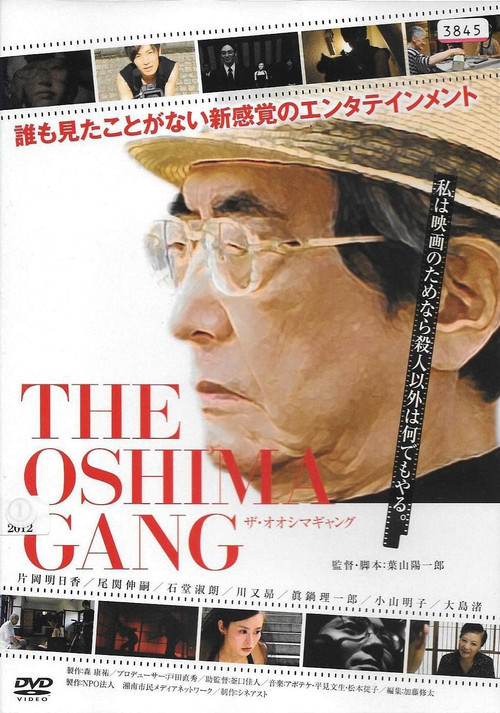
The Oshima Gang 2010
Directed with poised observation by Yôichirô Hayama, *The Oshima Gang* (2010) immerses viewers in a quietly gripping slice-of-life documentary that captures the rhythms and tensions of a small, tight-knit community on the edge of change.
Director: Yôichirô Hayama
Cast






Frequently Asked Questions
What is The Oshima Gang (2010) about?
*The Oshima Gang* offers a documentary portrait of a close-knit group navigating the subtle challenges of daily life in a changing world. Through intimate, unobtrusive storytelling, the film captures the small triumphs and quiet struggles of ordinary people whose bonds define their identity.
Who directed The Oshima Gang?
The film was directed by Yôichirô Hayama, whose observational style and minimalist approach bring authenticity and depth to the documentary.
Who stars in The Oshima Gang?
Leading the cast are Asuka Kataoka, Shinji Ozeki, and Toshirō Ishidō, whose real-life personas anchor the film's heartfelt narrative.
Is The Oshima Gang (2010) worth watching?
While it lacks the dramatic flair of narrative cinema, *The Oshima Gang* offers a rewarding experience for viewers who appreciate authentic, character-driven storytelling. Its contemplative pace and genuine moments make it a standout in the documentary genre, especially for fans of quiet, observational filmmaking.
How long is The Oshima Gang?
The runtime of *The Oshima Gang* is 75 minutes.
About The Oshima Gang (2010) — A Documentary Portrait of Community and Resilience
Directed with poised observation by Yôichirô Hayama, *The Oshima Gang* (2010) immerses viewers in a quietly gripping slice-of-life documentary that captures the rhythms and tensions of a small, tight-knit community on the edge of change. Over a brisk but impactful 75 minutes, the film follows the day-to-day lives of the Oshima Gang—local residents whose routines are as much about survival as they are about belonging. Hayama's lens lingers on unguarded moments, weaving together personal stories that explore themes of community, identity, and the quiet resilience found in ordinary people. The black-and-white visuals lend the proceedings an intimate, timeless quality, turning everyday interactions into something quietly profound.
With minimal dialogue and maximum authenticity, *The Oshima Gang* avoids sensationalism, instead focusing on the unspoken bonds that tie a community together. It's a film that lingers in the mind long after the credits roll, inviting reflection on how people define themselves within the spaces they inhabit. The documentary's understated power lies in its refusal to dramatize—choosing instead to present life as it unfolds, flaws and all.