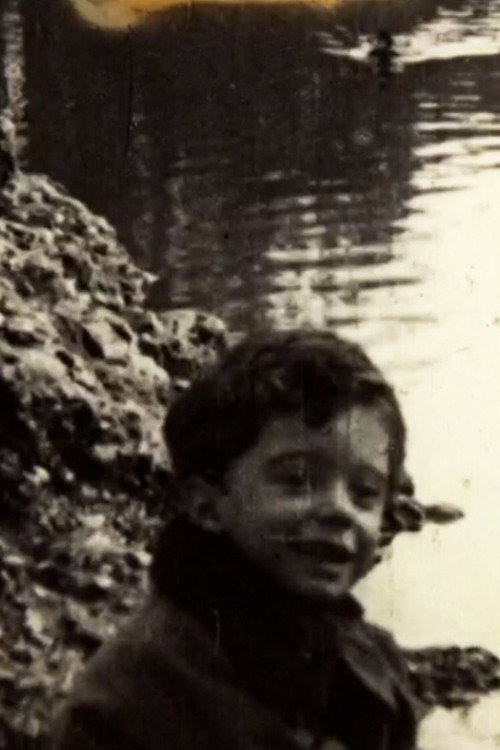
Ai Giardini / Anatre / Neve / Al Castello 1927
A charming 1927 short film by Italian director Guglielmo Baldassini, *Ai Giardini / Anatre / Neve / Al Castello* is a delicate snapshot of early 20th-century life, blending whimsical scenes of gardens, ducks, snow, and castles into a poetic visual poem.
Director: Guglielmo Baldassini
Frequently Asked Questions
What is Ai Giardini / Anatre / Neve / Al Castello (1927) about?
This short film weaves together four distinct visual vignettes—gardens, ducks, snow, and castles—into a serene cinematic collage. Directed by Guglielmo Baldassini, it captures fleeting moments of beauty and tranquility, blending nature and architecture into a poetic early film experience.
Who directed Ai Giardini / Anatre / Neve / Al Castello?
Guglielmo Baldassini directed this silent-era short, showcasing his knack for visual storytelling and atmospheric filmmaking.
Who stars in Ai Giardini / Anatre / Neve / Al Castello?
The film does not list credited cast members, as was common for many silent-era shorts of its time.
Is Ai Giardini / Anatre / Neve / Al Castello (1927) worth watching?
Given its historical significance as a Pathé Baby production and its poetic, nostalgic tone, this short is a delightful find for silent cinema fans and those curious about early 20th-century filmmaking. Its brevity and charm make it a quick but memorable watch.
How long is Ai Giardini / Anatre / Neve / Al Castello?
The film runs for approximately 3 minutes.
About Ai Giardini / Anatre / Neve / Al Castello (1927) — A Silent-Era Italian Short Film Full of Charm
A charming 1927 short film by Italian director Guglielmo Baldassini, *Ai Giardini / Anatre / Neve / Al Castello* is a delicate snapshot of early 20th-century life, blending whimsical scenes of gardens, ducks, snow, and castles into a poetic visual poem. This silent-era Pathé Baby production captures the essence of nostalgia, framing everyday moments with a painterly touch that feels both timeless and uniquely vintage. While the film's runtime is brief at just three minutes, its atmospheric storytelling lingers like a fleeting memory, offering a glimpse into the artistic sensibilities of its era.
Though the cast remains uncredited, Baldassini's direction infuses the short with a gentle rhythm, evoking themes of nature's beauty and the quiet charm of bygone days. The film's fragile, almost dreamlike quality makes it a fascinating relic for silent cinema enthusiasts and those drawn to the artistry of early motion pictures.