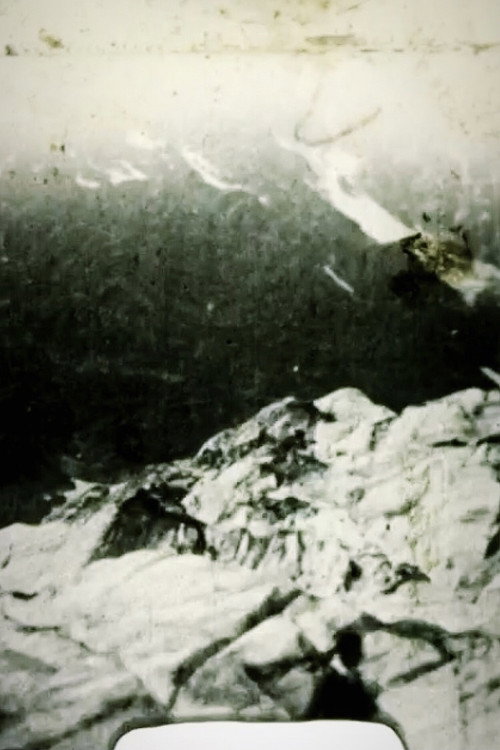
Monte Rosa / Battesimo Marisa 1927
Dive into the silent-era gem *Monte Rosa / Battesimo Marisa* (1927), a captivating Pathé Baby short directed by the underrated Italian filmmaker Guglielmo Baldassini.
Director: Guglielmo Baldassini
Frequently Asked Questions
What is Monte Rosa / Battesimo Marisa (1927) about?
This silent-era short film, directed by Guglielmo Baldassini, captures a fleeting moment in early cinema history. Its three-minute runtime offers a snapshot of visual storytelling stripped of dialogue, immersing viewers in the aesthetic of 1920s filmmaking.
Who directed Monte Rosa / Battesimo Marisa?
The film was directed by Guglielmo Baldassini, an Italian filmmaker known for his contributions to early cinema during the silent era.
Who stars in Monte Rosa / Battesimo Marisa?
Cast details for *Monte Rosa / Battesimo Marisa* are not available, as the film's production predates comprehensive record-keeping.
Is Monte Rosa / Battesimo Marisa (1927) worth watching?
While it may not boast a high profile by modern standards, *Monte Rosa / Battesimo Marisa* is a fascinating artifact for silent film enthusiasts and historians. Its brevity and historical context make it a charming entry in early cinema's evolution, though expectations should align with its short runtime.
How long is Monte Rosa / Battesimo Marisa?
The film has a runtime of 3 minutes.
About Monte Rosa / Battesimo Marisa (1927) — A Glimpse into Early Cinema's Charming Short Film Legacy
Dive into the silent-era gem *Monte Rosa / Battesimo Marisa* (1927), a captivating Pathé Baby short directed by the underrated Italian filmmaker Guglielmo Baldassini. This fleeting three-minute film may be brief, but it packs a nostalgic punch, offering a glimpse into early 20th-century cinematic artistry. Crafted during the era when short films ruled screens, its atmosphere is one of quiet experimentation—where visual storytelling shines without the need for dialogue. Though sparse on details, the film's essence lies in its immersive, grainy charm, a time capsule of motion-picture history. While the cast remains anonymous and genres unlisted, its historical significance makes it a curiosity for silent film enthusiasts and historians alike.
*Monte Rosa / Battesimo Marisa* stands as a testament to Baldassini's skill in creating mood with minimal resources. Its brevity invites viewers to savor every frame, appreciating the craftsmanship of an era when filmmaking was as much about artistry as it was about technology. Though modern audiences may find it quaint, its cultural value is undeniable—an early artifact of cinema's evolution that deserves a spot in any classic film collection.