Sui Bastioni / Neve Ai Giardini / Battaglia / Caduta 1927
Dive into the silent-era charm of *Sui Bastioni / Neve Ai Giardini / Battaglia / Caduta (1927)*, a rare 3-minute gem by Italian filmmaker Guglielmo Baldassini.
Director: Guglielmo Baldassini
Frequently Asked Questions
What is *Sui Bastioni / Neve Ai Giardini / Battaglia / Caduta* (1927) about?
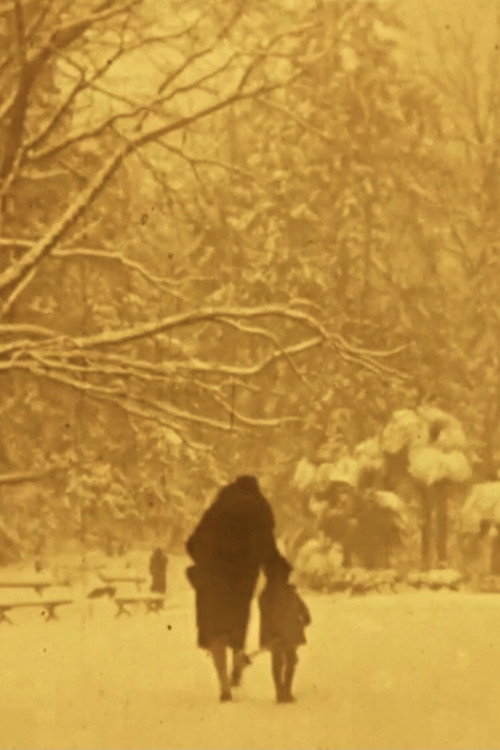
This silent-era short film, part of the Pathé Baby series, weaves together fleeting glimpses of urban life, snowy landscapes, and dramatic confrontations. Its abstract structure and poetic imagery invite viewers to interpret its fragmented narrative in their own way.
Who directed *Sui Bastioni / Neve Ai Giardini / Battaglia / Caduta*?
The director is Guglielmo Baldassini, an Italian filmmaker known for his contributions to early silent cinema.
Who stars in *Sui Bastioni / Neve Ai Giardini / Battaglia / Caduta*?
Cast details for this 1927 short are not officially recorded, leaving its performers a mystery.
Is *Sui Bastioni / Neve Ai Giardini / Battaglia / Caduta* (1927) worth watching?
While its runtime is minimal, the film offers a rare glimpse into 1920s Italian cinema and Baldassini's artistic vision. For silent-film buffs or those curious about early experimental shorts, it's a curious footnote worth exploring—though its brevity means it's more of a historical curiosity than a must-see masterpiece.
How long is *Sui Bastioni / Neve Ai Giardini / Battaglia / Caduta*?
The film runs for 3 minutes.
About Sui Bastioni / Neve Ai Giardini / Battaglia / Caduta (1927) — Discover the 1920s Italian short film lost in the shadows of cinema history
Dive into the silent-era charm of *Sui Bastioni / Neve Ai Giardini / Battaglia / Caduta (1927)*, a rare 3-minute gem by Italian filmmaker Guglielmo Baldassini. Part of the early Pathé Baby short-film series, this fleeting yet evocative piece captures the essence of 1920s Italian cinema with its poetic visuals and atmospheric storytelling. Though sparse in surviving details, the film's concise runtime belies a rich tapestry of urban and natural imagery—from snowy garden scenes to dramatic city battles—hinting at themes of contrast and transience. Surrounded by an air of nostalgia, it's a snapshot of an era when short films were as much about artistic experimentation as entertainment.
Baldassini, a figure often overshadowed by his contemporaries, brings a unique touch to this micro-cinematic experience. While the cast remains a mystery, the film's brevity and emotional resonance make it a fascinating study for silent-film enthusiasts and historians alike. A lost relic or a hidden treasure? Either way, its brevity invites multiple viewings, each revealing new layers of meaning.