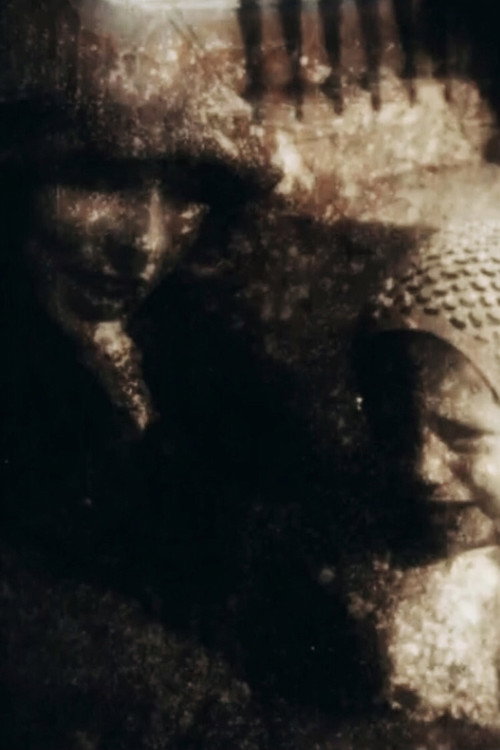
Ai Giardini / Bastioni / Rina Marisa 1928
Discovered in the vaults of early Italian cinema, *Ai Giardini / Bastioni / Rina Marisa* (1928) is a fleeting yet fascinating silent-era short directed by Guglielmo Baldassini.
Director: Guglielmo Baldassini
Frequently Asked Questions
What is Ai Giardini / Bastioni / Rina Marisa (1928) about?
This three-minute silent short by Guglielmo Baldassini appears to capture quiet, atmospheric moments between Rome's historic Bastioni and Giardini, blending urban and natural settings. Its brevity suggests an experimental or observational approach rather than a traditional plot.
Who directed Ai Giardini / Bastioni / Rina Marisa?
The film was directed by Guglielmo Baldassini, an Italian filmmaker whose work in the silent era often emphasized visual storytelling and composition.
Who stars in Ai Giardini / Bastioni / Rina Marisa?
The cast is uncredited, and no named performers are listed for this short film.
Is Ai Giardini / Bastioni / Rina Marisa (1928) worth watching?
While it's a niche artifact with no IMDb rating or reviews, *Ai Giardini / Bastioni / Rina Marisa* offers a rare window into Italian silent cinema. Its historical value and the director's reputation make it intriguing for silent film fans, though it's ultimately more of a curiosity than a narrative experience.
How long is Ai Giardini / Bastioni / Rina Marisa?
The film's runtime is approximately 3 minutes.
About Ai Giardini / Bastioni / Rina Marisa (1928) — A Glimpse into Italian Silent Cinema's Hidden Gems
Discovered in the vaults of early Italian cinema, *Ai Giardini / Bastioni / Rina Marisa* (1928) is a fleeting yet fascinating silent-era short directed by Guglielmo Baldassini. Clocking in at just three minutes, this Pathé Baby production offers a tantalizing glimpse into the visual storytelling techniques of the late 1920s, where every frame feels laden with the charm of a bygone era. Though the cast remains uncredited, Baldassini's directorial touch suggests a keen eye for composition and movement, even within such a compact runtime. The film's enigmatic title hints at a possible exploration of urban and garden spaces, blending the structured elegance of Bastioni with the organic beauty of Giardini—making it a curious artifact for silent film enthusiasts and historians alike.
While the exact genre and plot remain obscured by time, *Ai Giardini / Bastioni / Rina Marisa* likely stands as a snapshot of Italian cultural and cinematic trends of its period. Its brevity may limit traditional narrative depth, but it compensates with a sense of intimacy and nostalgia, evoking the tactile textures of 1920s Rome. For collectors and cinephiles, this short is less about plot and more about preservation—a tiny, tantalizing piece of film history that invites viewers to imagine the stories it once accompanied. Whether viewed as an experiment in form or a curiosity from the archives, it's a reminder of how cinema's earliest experiments still hold magic centuries later.