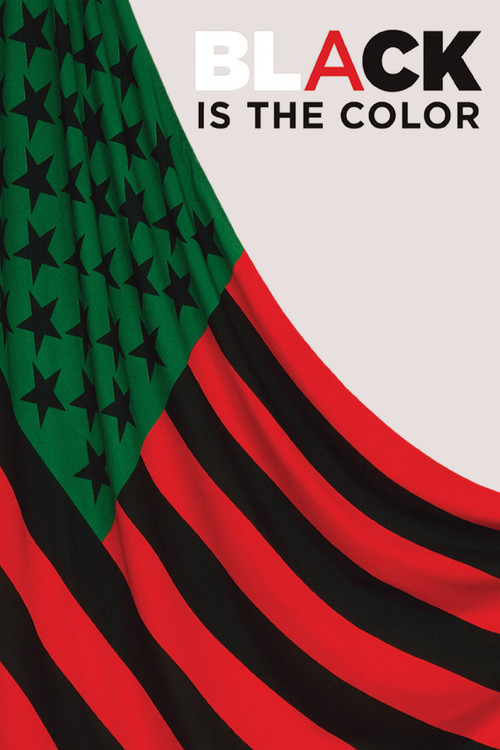
Black Is the Color: African-American Artists and Segregation 2016
Dive into *Black Is the Color: African-American Artists and Segregation (2016)*, a compelling documentary directed by Jacques Goldstein that traces the evolution of Black visual art amid systemic racism.
Director: Jacques Goldstein
Cast
Frequently Asked Questions
What is Black Is the Color: African-American Artists and Segregation (2016) about?
This documentary traces the evolution of Black visual art from the Reconstruction era to contemporary works, highlighting how artists navigated and resisted segregation. It connects pivotal artworks to historical events like Jim Crow and the civil rights movement.
Who directed Black Is the Color: African-American Artists and Segregation?
Jacques Goldstein directed this thought-provoking documentary, blending art history with social context.
Who stars in Black Is the Color: African-American Artists and Segregation?
The documentary features prominent figures like Whitfield Lovell, Kerry James Marshall, Ellen Gallagher, Richard Powell, and Robert O'Meally.
Is Black Is the Color: African-American Artists and Segregation (2016) worth watching?
Absolutely—this 52-minute documentary offers a rare blend of artistry and history, making it a must-watch for those interested in cultural resilience. Its concise runtime belies its depth, offering layered insights without overwhelming the viewer.
How long is Black Is the Color: African-American Artists and Segregation?
The film runs for 52 minutes.
About Black Is the Color: African-American Artists and Segregation (2016) — Exploring Black Art Through History and Struggle
Dive into *Black Is the Color: African-American Artists and Segregation (2016)*, a compelling documentary directed by Jacques Goldstein that traces the evolution of Black visual art amid systemic racism. From Edmonds Lewis's poignant 1867 sculpture *Forever Free* to the bold works of contemporary artists like Whitfield Lovell, Kerry James Marshall, and Ellen Gallagher, this film weaves together art history and social struggles. Through insightful commentary from art historians and gallery owners, the documentary frames these masterpieces against the backdrop of Jim Crow laws, World War I, the civil rights movement, and the racial tensions of the Reagan era, creating a vivid mosaic of resilience and creativity.
The atmosphere is both reflective and urgent, as artists share personal connections to their work while confronting the legacy of segregation. Goldstein's documentary doesn't just document art—it celebrates Black voices and visions that refused to be silenced, offering a powerful testament to how creativity thrives even in the face of oppression. Ideal for fans of historical documentaries and art enthusiasts, this film invites viewers to see beyond the canvas and into the heart of a movement.