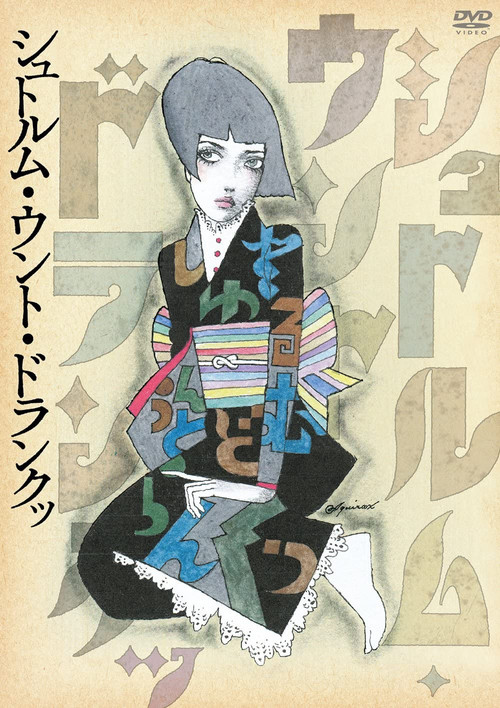
Sturm und Drang 2014
Directed by Isao Yamada, *Sturm und Drang* (2014) plunges into the turbulent Taisho era, a time of political ferment and artistic rebellion in Japan.
Director: Isao Yamada
Cast

Frequently Asked Questions
What is Sturm und Drang (2014) about?
Set in 1920s Japan, the film follows anarchist poet Nakahama Tetsu and his comrades in the "Guillotine Society" as they plot to assassinate the Prince of Wales. Their revolutionary fervor clashes with the harsh realities of their era, culminating during the destructive Great Kanto Earthquake of 1923.
Who directed Sturm und Drang?
Isao Yamada directed *Sturm und Drang* (2014), bringing a visually striking and thematically rich approach to this historical drama.
Who stars in Sturm und Drang?
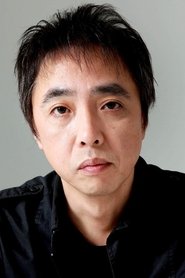
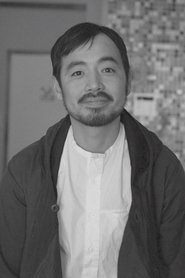
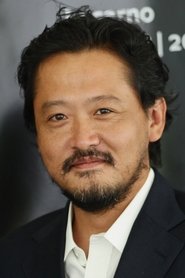
The film features Emiko Nakamura, Satoru Jitsunashi, Mutsuo Yoshioka, Ginpachi Ginza, Takeshi Uehara, and Yasuhiro Isobe in pivotal roles.
Is Sturm und Drang (2014) worth watching?
If you enjoy historical dramas with a dose of political intrigue and atmospheric depth, *Sturm und Drang* (2014) is a compelling watch. Its focus on ideological extremism and the human cost of revolution offers more than just a period piece—it's a thought-provoking exploration of idealism versus reality.
How long is Sturm und Drang?
The runtime of *Sturm und Drang* (2014) is 138 minutes.
🎥 Trailer
About Sturm und Drang (2014) — A Taisho-era anarchist drama of revolution and reckoning
Directed by Isao Yamada, *Sturm und Drang* (2014) plunges into the turbulent Taisho era, a time of political ferment and artistic rebellion in Japan. The film follows Nakahama Tetsu, a poet turned anarchist, who reunites with old comrades to form the "Guillotine Society," a radical group plotting revolution. Their misguided attempt to assassinate the Prince of Wales during a state visit becomes a symbol of their doomed idealism. At the heart of this historical drama is Matsuura Emile, a mysterious soba vendor with an uncanny foresight who weaves in and out of their lives, adding an eerie layer of fate to their struggle. With its stark black-and-white visuals and unflinching portrayal of ideological extremism, the film captures the raw tension between hope and despair in a society on the brink of change.
As the 1923 Great Kanto Earthquake devastates Tokyo, the anarchists' fragile dreams crumble under the weight of reality. *Sturm und Drang* (2014) blends historical precision with poetic intensity, offering a gripping meditation on sacrifice, ideology, and the fleeting nature of human connections. Yamada's direction transforms this lesser-known chapter of history into a haunting cinematic experience, where every frame crackles with the urgency of a revolution that never quite arrives.