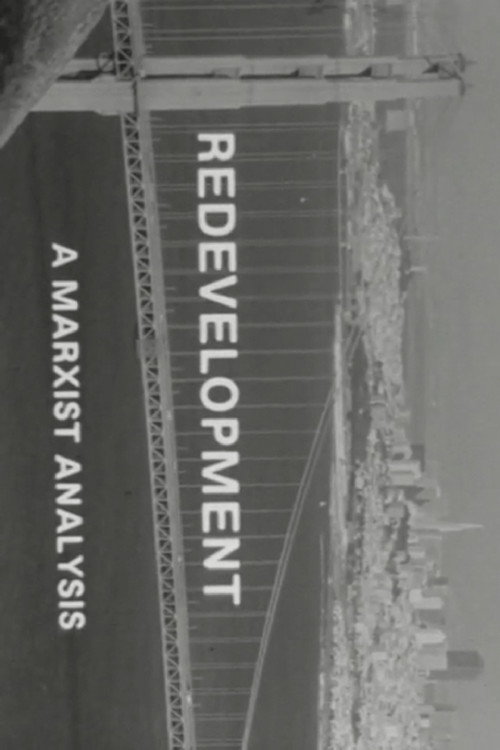
Redevelopment: A Marxist Analysis 1974
Dive into *Redevelopment: A Marxist Analysis* (1974), a gripping 60-minute documentary that exposes the harsh realities of urban renewal in San Francisco during the early 1970s.
Frequently Asked Questions
What is *Redevelopment: A Marxist Analysis* (1974) about?
This documentary uncovers the dark side of urban renewal in 1970s San Francisco, where working-class and minority neighborhoods were bulldozed to make way for luxury developments. It follows community groups resisting displacement, exposing the corrupt ties between developers and city officials.
Who directed *Redevelopment: A Marxist Analysis*?
Director information is not available.
Who stars in *Redevelopment: A Marxist Analysis*?
The film features voices from the Resolution film group and activists from San Francisco's embattled communities, though specific cast names are not listed.
Is *Redevelopment: A Marxist Analysis* (1974) worth watching?
While not widely rated, this documentary offers a rare, unfiltered perspective on a pressing social issue. Its historical relevance and passionate delivery make it a compelling watch for those interested in urban studies, activism, or political cinema.
How long is *Redevelopment: A Marxist Analysis*?
The film runs for 60 minutes.
About Redevelopment: A Marxist Analysis (1974) — A Defiant Look at Who Urban Renewal Really Serves
Dive into *Redevelopment: A Marxist Analysis* (1974), a gripping 60-minute documentary that exposes the harsh realities of urban renewal in San Francisco during the early 1970s.
This film, a powerful collaboration between the Resolution film group and local community activists, sheds light on the systematic destruction of minority and working-class neighborhoods under the guise of "progress." Through sharp, unflinching lens, it reveals how government officials and big developers collude to displace residents and prioritize profit over people. The atmosphere is raw and urgent, blending investigative journalism with the voices of those fighting back—making it a vital watch for anyone interested in social justice and the politics of place.