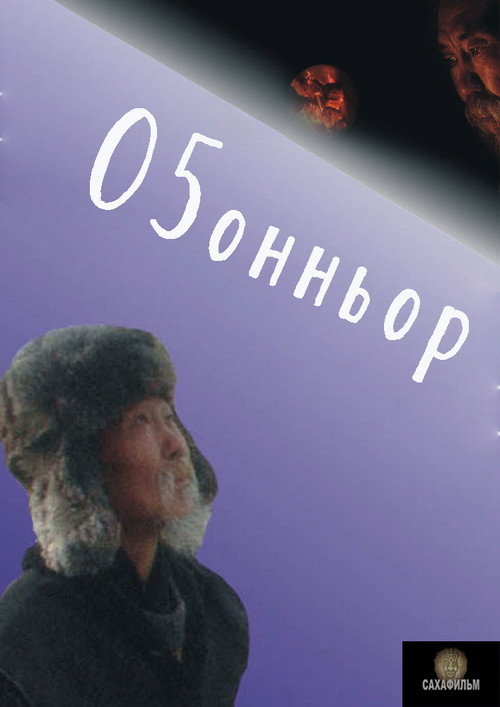
Old Man 2003
In the Soviet-era stagnation of *Old Man* (2003), directed by Nikita Arzhakov, a lonely war veteran prepares his own coffin in quiet resignation, while the village ignores his fading presence.
Director: Nikita Arzhakov
Cast
Frequently Asked Questions
What is Old Man (2003) about?
This 14-minute drama follows an elderly war veteran in a Soviet-era village who prepares his own coffin, only to find his neighbors more concerned with honoring a distant political figure. The film contrasts his quiet dignity with the villagers' blind obedience to ideological demands.
Who directed Old Man?
Nikita Arzhakov directed *Old Man*, crafting a stark portrait of Soviet stagnation through minimalist storytelling.
Who stars in Old Man?
The film stars С. Федотов in the lead role, bringing depth to the veteran's quiet struggle.
Is Old Man (2003) worth watching?
As a short but impactful drama, *Old Man* offers a sharp critique of Soviet-era detachment, though its brevity and unrated status may limit its mainstream appeal. Fans of political allegory and character-driven stories will find it intriguing.
How long is Old Man?
*Old Man* runs for 14 minutes.
About Old Man (2003) — A Soviet-era drama of solitude and political absurdity
In the Soviet-era stagnation of *Old Man* (2003), directed by Nikita Arzhakov, a lonely war veteran prepares his own coffin in quiet resignation, while the village ignores his fading presence. Instead, they're ordered to rally for the release of a distant Chilean communist leader, Luis Corvalán, highlighting the absurdity and detachment of political dogma. This 14-minute drama blends stark realism with biting irony, painting a portrait of isolation and ideological futility in a system that values symbols over people.
Arzhakov's minimalist storytelling, paired with С. Федотов's powerful performance, creates an atmosphere of melancholic introspection. The film critiques the era's disconnect between personal dignity and state-mandated priorities, leaving viewers to ponder the cost of blind obedience and the quiet heroism of those left behind. A poignant reflection on aging, neglect, and the hollow rituals of power.