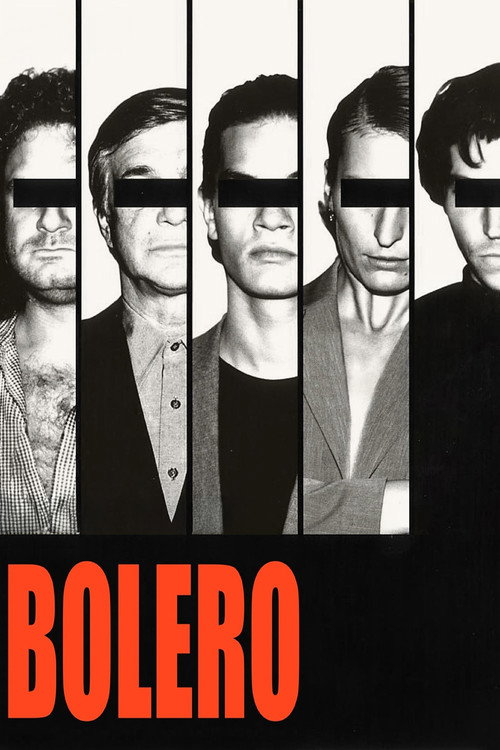
Bolero 2004
Directed by F. A. Brabec, *Bolero (2004)* weaves a gripping drama around a real-life crime that unravels layer by layer, exposing hidden connections and unexpected twists.
Director: F. A. Brabec
Cast








Frequently Asked Questions
What is Bolero (2004) about?
*Bolero (2004)* follows a crime investigation that challenges assumptions at every turn, revealing the emotional toll on victims' families and the moral failures of the perpetrators. The story blends police procedural elements with intimate character studies, exposing how privilege and entitlement fuel corruption.
Who directed Bolero?
F. A. Brabec directed *Bolero (2004)*, bringing a nuanced approach to the crime drama genre.
Who stars in Bolero?
The film features Martin Stropnický, Barbora Seidlová, Jan Potměšil, Jan Kačer, and Jiří Bartoška in pivotal roles.
Is Bolero (2004) worth watching?
As a crime drama rooted in realism, *Bolero (2004)* offers a compelling mix of suspense and social commentary. While not rated on IMDb, its thematic depth and strong performances make it worth a watch for fans of gritty, thought-provoking cinema.
How long is Bolero?
Bolero (2004) has a runtime of 102 minutes.
About Bolero (2004) — Crime Drama Unfolding a Real-Life Mystery with Psychological Depth
Directed by F. A. Brabec, *Bolero (2004)* weaves a gripping drama around a real-life crime that unravels layer by layer, exposing hidden connections and unexpected twists. The film immerses viewers in the psychological toll on the victim's family, the relentless pressure on investigators, and the moral unraveling of privileged offenders. With a tone that balances suspense and empathy, it explores themes of justice, family trauma, and societal decay through a lens of raw authenticity. Stropnický and Seidlová lead a cast that brings depth to the harrowing narrative, making *Bolero (2004)* a standout in crime dramas.
Beyond its crime-solving mechanics, the movie delves into the psychological aftermath of violence, revealing how guilt and privilege shape both perpetrators and their victims. The atmospheric tension mirrors the moral decay it critiques, offering a thought-provoking experience that lingers long after the credits roll.