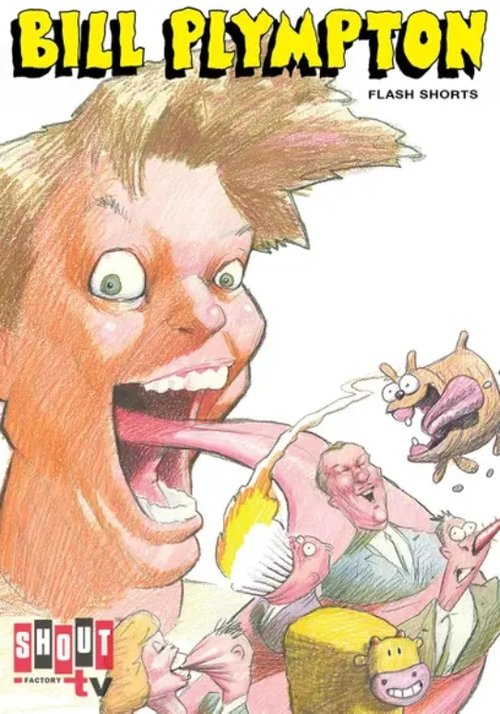
New Advances in Medicine 2000
Dive into Bill Plympton's *New Advances in Medicine (2000)*, a raw, one-minute animated short that dives into the rawest of human experiences: childbirth.
Director: Bill Plympton
Frequently Asked Questions
What is New Advances in Medicine (2000) about?
*New Advances in Medicine* is a one-minute animated short that focuses on the moment of childbirth, presented through Bill Plympton's signature crude yet expressive style. The film strips away any embellishment to deliver a stark, unfiltered portrayal of one of life's most transformative events.
Who directed New Advances in Medicine?
Bill Plympton directed *New Advances in Medicine (2000)*. Known for his unconventional and often satirical approach to animation, Plympton's work frequently pushes boundaries in both storytelling and visual style.
Who stars in New Advances in Medicine?
Cast details for *New Advances in Medicine (2000)* are not listed.
Is New Advances in Medicine (2000) worth watching?
While *New Advances in Medicine (2000)* is too brief to assess for traditional storytelling, it offers a unique glimpse into Bill Plympton's experimental animation style. Fans of his work may appreciate its raw creativity, though it's more of a curiosity than a must-watch.
How long is New Advances in Medicine?
*New Advances in Medicine (2000)* runs for 1 minute.
About New Advances in Medicine (2000) — Bill Plympton's bold animated glimpse at childbirth
Dive into Bill Plympton's *New Advances in Medicine (2000)*, a raw, one-minute animated short that dives into the rawest of human experiences: childbirth. This crude yet bold experiment blends Plympton's signature irreverent style with a fleeting yet impactful snapshot of life's most natural phenomenon. The film's minimalist animation and unflinching focus on the birthing process create an atmosphere that's equal parts chaotic and poignant, challenging viewers to confront the beauty and brutality of existence in just 60 seconds. While far from polished, the short captures the essence of Plympton's avant-garde approach, leaving a lasting impression with its unapologetic honesty.
Despite its brevity, *New Advances in Medicine (2000)* stands out as a testament to the director's willingness to push boundaries, even in the most unexpected corners of animation. The film's minimalist aesthetic and thematic boldness make it a curiosity for fans of experimental cinema, offering a glimpse into Plympton's early experiments with unconventional storytelling. Whether you're drawn by curiosity or a love for raw, unfiltered animation, this short is a fleeting but memorable experience that lingers long after the credits roll.