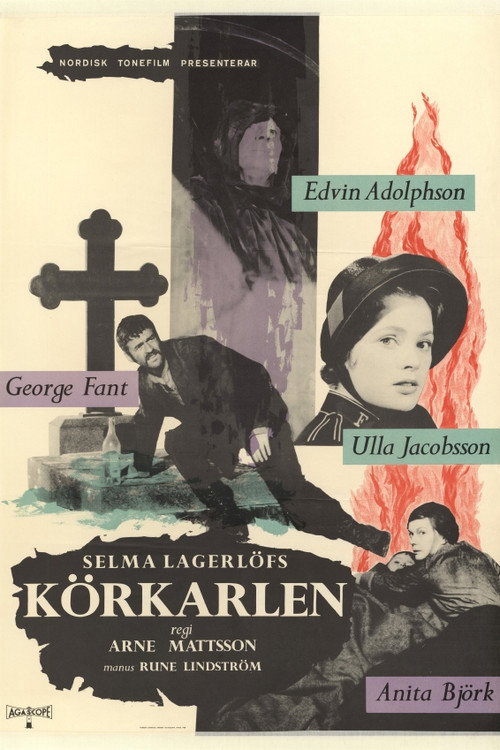
The Phantom Carriage 1958
Victor Sjöstrom's silent-era classic *The Phantom Carriage* (1921) set the stage for Arne Mattsson's gripping 1958 Swedish drama adaptation of Selma Lagerlöf's haunting novel.
Director: Arne Mattsson
Cast


Frequently Asked Questions
What is The Phantom Carriage (1958) about?
On New Year's Eve, alcoholic David Holm meets his end at the hands of the Death Coachman, his former friend Georges. Together, they revisit David's past, uncovering the wreckage he left behind—particularly the two women whose lives he destroyed through his cruelty and neglect.
Who directed The Phantom Carriage?
Swedish filmmaker Arne Mattsson directed *The Phantom Carriage*, bringing a stark, atmospheric style to Lagerlöf's dark narrative.
Who stars in The Phantom Carriage?
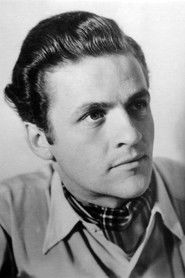
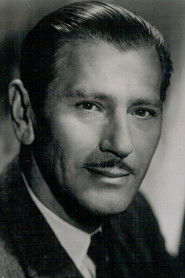
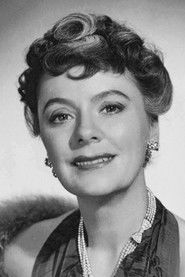
George Fant stars as David Holm, with Ulla Jacobsson, Anita Björk, and Edvin Adolphson rounding out the core cast in emotionally charged roles.
Is The Phantom Carriage (1958) worth watching?
While it lacks an IMDb rating for benchmarking, *The Phantom Carriage* is a masterclass in Swedish drama, offering a hypnotic blend of existential dread and poetic storytelling. Its themes of guilt and redemption resonate powerfully, making it a must-watch for fans of classic cinematic depth and atmosphere.
How long is The Phantom Carriage?
The film runs for 109 minutes, delivering a tightly paced, immersive experience.
The Phantom Carriage (1958): A Haunting Swedish Drama of Guilt and Redemption — Full Movie Info
Victor Sjöstrom's silent-era classic *The Phantom Carriage* (1921) set the stage for Arne Mattsson's gripping 1958 Swedish drama adaptation of Selma Lagerlöf's haunting novel. This cinematic retelling follows David Holm, a self-destructive alcoholic whose life spirals tragically on New Year's Eve. At the stroke of midnight, fate delivers him to the eerie embrace of the Death Coachman—revealed as his estranged friend Georges. As they journey through David's past misdeeds, the film unravels the devastating consequences of his selfishness, particularly the lives he's shattered through his relationships with two devoted women. With its stark, dreamlike visuals and unflinching emotional depth, *The Phantom Carriage (1958)* weaves a timeless meditation on redemption, guilt, and the weight of one's choices.
Under Mattsson's direction, the film balances gothic atmosphere with raw human drama, anchored by performances steeped in melancholy and intensity. The stark black-and-white cinematography amplifies the story's themes of mortality and atonement, making it a standout in Swedish cinematic history. For fans of existential drama, this adaptation offers a hypnotic, thought-provoking experience that lingers long after the credits roll.