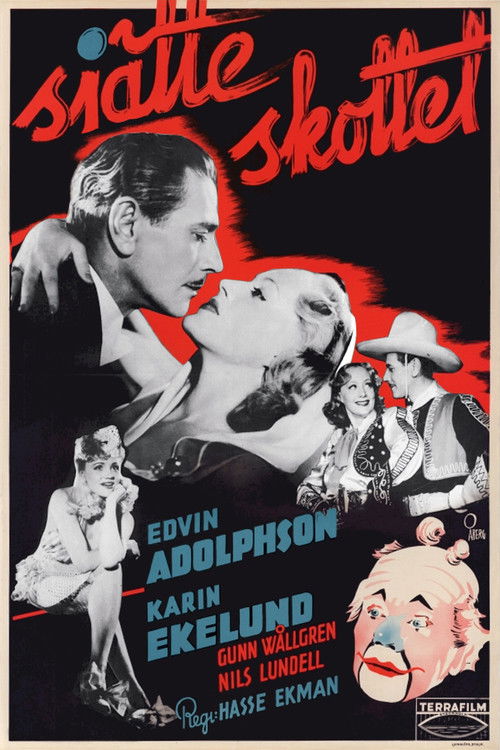
The Sixth Shot 1943
A sweeping tale of love, jealousy, and redemption unfolds in *The Sixth Shot (1943)*, Hasse Ekman's gripping drama set against the glamorous backdrop of Monte Carlo.
Director: Hasse Ekman
Cast

Frequently Asked Questions
What is The Sixth Shot (1943) about?
*The Sixth Shot (1943)* follows Georg Winkler, a skilled sharpshooter who falls for Marguerite Hoffman in Monte Carlo. Their relationship thrives as a performing act, but Winkler's jealousy drives them apart. Years later, fate reunites them, forcing Winkler to confront his past mistakes and the cost of his obsession.
Who directed The Sixth Shot?
The film was directed by Hasse Ekman, a notable figure in Swedish cinema known for his sharp, emotionally resonant storytelling.
Who stars in The Sixth Shot?
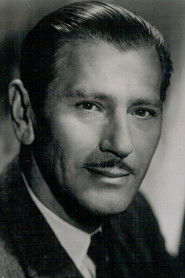
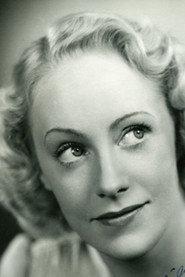
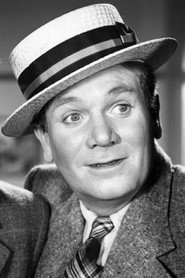
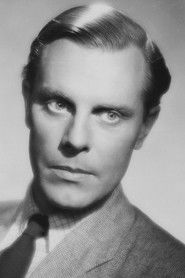
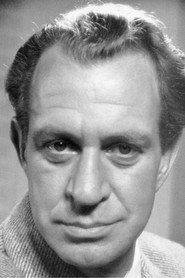
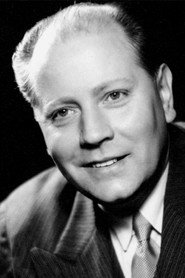
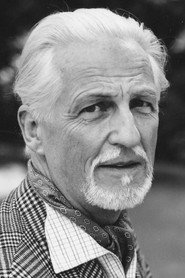
The film stars Edvin Adolphson as Georg Winkler, Karin Ekelund as Marguerite Hoffman, with Gunn Wållgren, Nils Lundell, and Olof Widgren rounding out the cast.
Is The Sixth Shot (1943) worth watching?
While it lacks an IMDb rating, *The Sixth Shot* offers a compelling mix of romance and drama, elevated by Ekman's direction. Its themes of love and regret, combined with a unique setting, make it a hidden gem for fans of classic cinema.
How long is The Sixth Shot?
The film runs for 84 minutes, a concise runtime that keeps the story focused and engaging.
About The Sixth Shot (1943) — A Forgotten Swedish Drama of Love, Jealousy, and Redemption
A sweeping tale of love, jealousy, and redemption unfolds in *The Sixth Shot (1943)*, Hasse Ekman's gripping drama set against the glamorous backdrop of Monte Carlo. The story centers on Georg Winkler, a sharpshooter with a bold spirit, and Marguerite Hoffman, a woman whose charm matches his skill. Their whirlwind romance takes them across the globe as they perform a daring act together, but Winkler's consuming jealousy becomes the wedge that tears them apart. Forced into a humbler life touring with second-rate circuses alongside an unexpected companion, his journey takes a poignant turn as fate brings him face-to-face with Marguerite once more.
Directed with a keen eye for emotional depth, Ekman crafts a narrative that balances fiery passion with quiet introspection. The film's themes of obsession and second chances unfold with a melancholic beauty, underscored by the stark contrast between glittering high society and the raw realities of Winkler's downfall. Shot in 1943, this lesser-known gem offers a window into an era of cinematic storytelling that lingers long after the final frame.