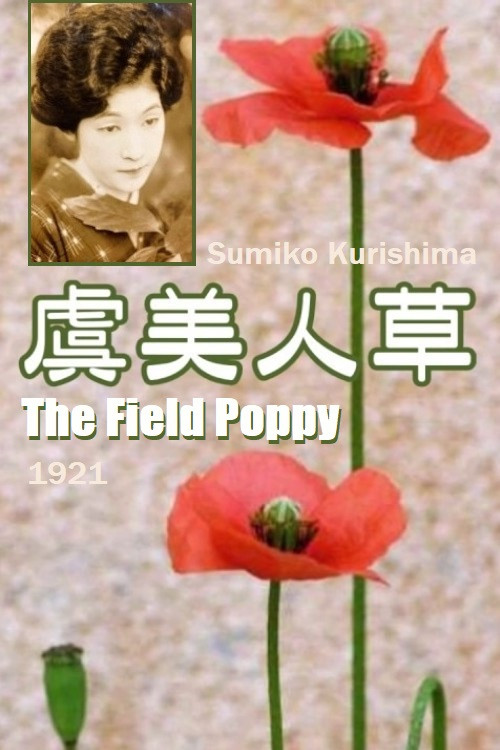
Gubijinsô 1921
Step into the romantic world of Gubijinsô (1921), a silent-era gem crafted by visionary director Henry Kotani. Set against the backdrop of early 20th-century Japan, this delicate romance unfolds through the tender yet tumultuous relationship between two star-crossed souls.
Director: Henry Kotani
Cast

Frequently Asked Questions
What is Gubijinsô (1921) about?
Gubijinsô is a silent-era romance set in early 20th-century Japan, where a delicate love story unfolds between two characters navigating societal expectations and personal longing. The film focuses on the emotional journey of its protagonists, blending quiet intimacy with the sweeping changes of the era.
Who directed Gubijinsô?
Gubijinsô was directed by Henry Kotani, a pioneering figure in Japanese cinema known for his contributions to the silent film era.
Who stars in Gubijinsô?
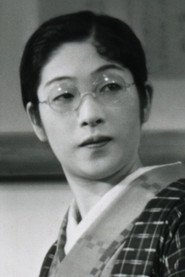
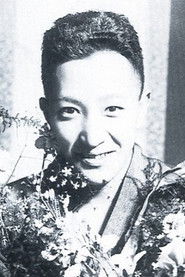
The film stars Sumiko Kurishima and Yukichi Iwata, two of Japan's most celebrated silent film actors, alongside Tappatsu Sekine, Utako Suzuki, and Reizo Inoue.
Is Gubijinsô (1921) worth watching?
While Gubijinsô lacks a modern IMDb rating, its historical significance and the star power of its cast make it a fascinating watch for silent film enthusiasts. The film's understated romance and early cinematic techniques offer a unique window into Japan's cinematic heritage.
How long is Gubijinsô?
Runtime details for Gubijinsô are not listed.
About Gubijinsô (1921) — Silent Romance from Japan's Golden Age
Step into the romantic world of Gubijinsô (1921), a silent-era gem crafted by visionary director Henry Kotani. Set against the backdrop of early 20th-century Japan, this delicate romance unfolds through the tender yet tumultuous relationship between two star-crossed souls. Sumiko Kurishima, the luminous leading lady of Japanese cinema's golden age, stars as the graceful heroine whose heart is caught between duty and desire. Yukichi Iwata, another towering figure of the era, plays her counterpart, navigating a world where tradition clashes with the stirrings of modern love.
With its poetic visuals and restrained emotional intensity, Gubijinsô captures the essence of silent cinema—where every glance holds meaning and every gesture speaks volumes. The film's understated charm lies in its exploration of love's quiet victories and sacrifices, all framed in the soft glow of a bygone era. Whether you're a silent film enthusiast or a romance lover, this silent-era treasure offers a rare glimpse into the artistry of early Japanese cinema, where simplicity and depth intertwine seamlessly.