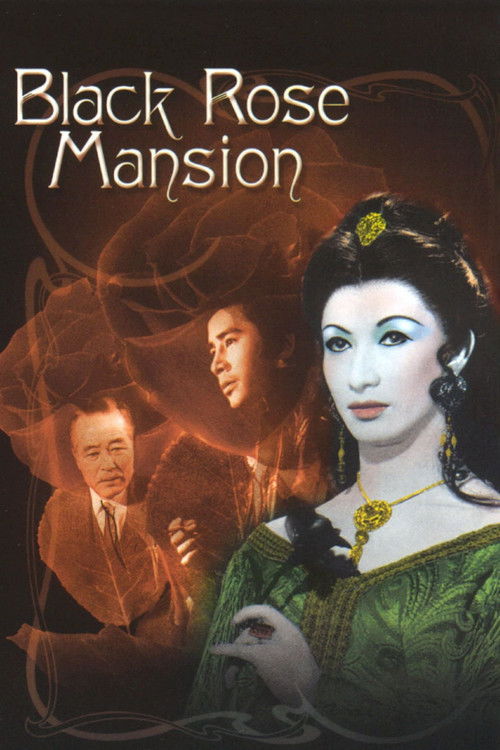
Black Rose Mansion 1969
Kinji Fukasaku's *Black Rose Mansion* (1969) unfolds like a shadowy jazz-club nightmare, blending drama and romance into a twisted tale of obsession and danger.
Director: Kinji Fukasaku
Cast

Kikko Matsuoka
Reiko

Kō Nishimura
Ex-husband
Akihiro Miwa
Ryuko
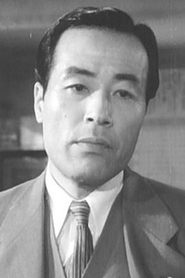
Eitarō Ozawa
Kyohei
Ayako Hosho
Kyohei's Wife
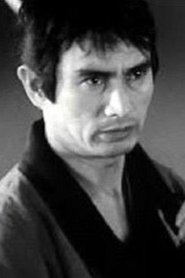
Ryōhei Uchida
Akira Jo
Mulatto companion of Ryuko
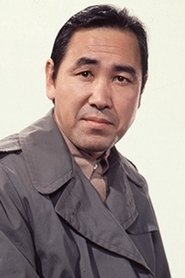
Hideo Murota
Kyohei's son - Wataru's brother

Masakazu Tamura
Wataru

Yūsuke Kawazu
Frequently Asked Questions
What is Black Rose Mansion (1969) about?
This neon-soaked drama follows Kyohei, a wealthy club owner who invites the enigmatic singer "Black Rose" to perform—only to unleash a wave of vengeful past lovers. The story takes a dark turn when Kyohei's son falls under her spell, plunging the narrative into a surreal battle of desire and destruction.
Who directed Black Rose Mansion?
The film was directed by Kinji Fukasaku, a Japanese filmmaker renowned for his gritty, socially conscious crime dramas and stylish action films.
Who stars in Black Rose Mansion?
The cast includes Kikko Matsuoka as the titular Black Rose, alongside Kō Nishimura, Akihiro Miwa, Eitarō Ozawa, and Ayako Hosho in key roles.
Is Black Rose Mansion (1969) worth watching?
For fans of atmospheric, offbeat dramas, *Black Rose Mansion* offers a unique blend of romance and noir-style menace. While its unrated status leaves room for debate, its cult appeal and Fukasaku's distinct vision make it a fascinating watch for genre enthusiasts.
How long is Black Rose Mansion?
The runtime for *Black Rose Mansion* is 91 minutes.
About Black Rose Mansion (1969) — A Jazz-Club Noir of Obsession and Revenge
Kinji Fukasaku's *Black Rose Mansion* (1969) unfolds like a shadowy jazz-club nightmare, blending drama and romance into a twisted tale of obsession and danger. The story pivots around Kyohei, a wealthy patron who invites a mysterious singer—nicknamed "Black Rose"—to perform at his exclusive venue, only to unleash a wave of deadly past lovers hellbent on revenge. When Kyohei's own son becomes ensnared in the femme fatale's hypnotic allure, the film spirals into a surreal exploration of passion, betrayal, and the lethal consequences of desire. Fukasaku's signature style lends the production a gritty, atmospheric edge, with neon-lit interiors and smoky backrooms amplifying the tension.
At its core, *Black Rose Mansion* examines the destructive power of unchecked infatuation, where love curdles into a poison that festers in the hearts of those scorned. The film's tone oscillates between sleek melodrama and bizarre, almost hallucinatory moments, reflecting the chaotic emotions of its characters. With its intoxicating mix of romance and menace, Fukasaku crafts a cult classic that lingers like the lingering scent of cigarette smoke in a jazz club long after the credits roll.