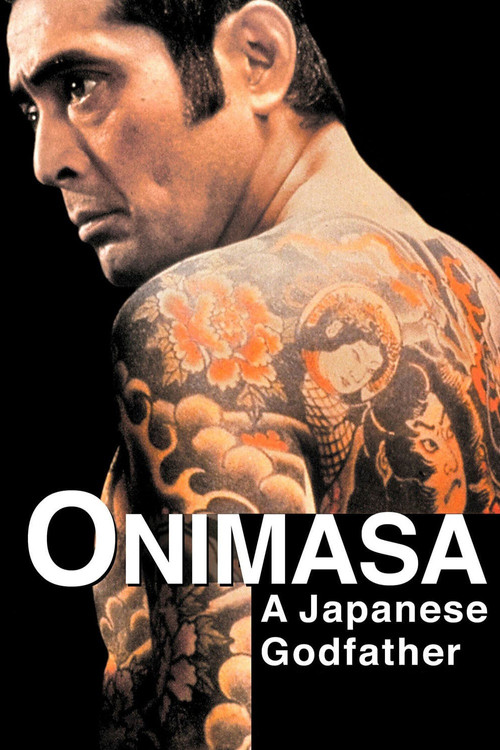
Onimasa: A Japanese Godfather 1982
Dive into the gritty, samurai-infused crime epic *Onimasa: A Japanese Godfather* (1982), directed by the masterful Hideo Gosha.
Director: Hideo Gosha
Cast
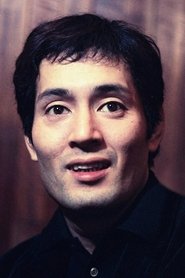
Tatsuya Nakadai
Masagoro Kiryuin - Onimasa
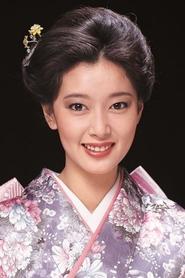
Masako Natsume
Matsue Kiryûin
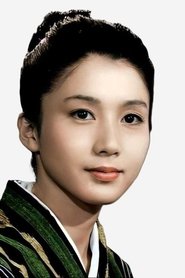
Shima Iwashita
Uta Kiryûin

Tetsuro Tamba
Uichi Suda, The Big Boss

Akiko Kana
Tsuru

Emi Shindō
Emiwaka, 2nd Mistress

Akiko Nakamura
Botan, 3rd Mistress
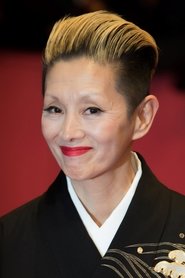
Mari Natsuki
Akio, Opponent's Mistress
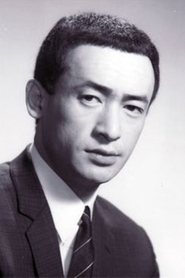
Mikio Narita

Tatsuo Umemiya
Frequently Asked Questions
What is Onimasa: A Japanese Godfather (1982) about?
*Onimasa: A Japanese Godfather* follows the rise and fall of a yakuza boss who clings to a samurai's code while leading a criminal empire. His struggles with loyalty, vengeance, and family loyalty unfold against the backdrop of Shikoku's underworld, where every decision carries deadly weight.
Who directed Onimasa: A Japanese Godfather?
The film was directed by Hideo Gosha, a celebrated Japanese filmmaker known for his work in crime and samurai dramas, blending action with deep moral themes.
Who stars in Onimasa: A Japanese Godfather?
The film features iconic Japanese actors including Tatsuya Nakadai as Onimasa, Masako Natsume as his adopted daughter Matsue, and Shima Iwashita in a supporting role.
Is Onimasa: A Japanese Godfather (1982) worth watching?
With its intense blend of crime, samurai ethics, and dramatic storytelling, *Onimasa: A Japanese Godfather* is a must-watch for fans of classic yakuza films. Its raw performances and moral complexity make it a standout in 1980s Japanese cinema.
How long is Onimasa: A Japanese Godfather?
The film runs for 146 minutes, offering a gripping, in-depth experience of its crime saga.
About Onimasa: A Japanese Godfather (1982) — A Samurai's Crime Saga Explored
Dive into the gritty, samurai-infused crime epic *Onimasa: A Japanese Godfather* (1982), directed by the masterful Hideo Gosha. This 146-minute Japanese crime drama weaves a tale of power, honor, and brutal loyalty, following Tatsuya Nakadai's commanding performance as the ruthless yakuza boss Onimasa. His world unravels as personal ambition clashes with the code of the samurai, set against the rugged backdrop of Shikoku Island. The film explores themes of justice, betrayal, and the blurred lines between chivalry and cruelty, all while unfolding through the eyes of his adopted daughter, Matsue, portrayed with depth by Masako Natsume. With its stark atmosphere and moral complexity, *Onimasa: A Japanese Godfather* stands as a gripping testament to the yakuza genre's golden era.
A collision of feudal ethics and modern crime, this masterpiece blends samurai honor with yakuza brutality, offering a story where every alliance could be a knife in the dark. Nakadai's Onimasa is a paradox—a man clinging to a bygone ideal of nobility while drowning in the violence of his underworld empire. The film's oppressive tension and moral ambiguity make it a standout in the genre, drawing viewers into its labyrinth of power and consequence.