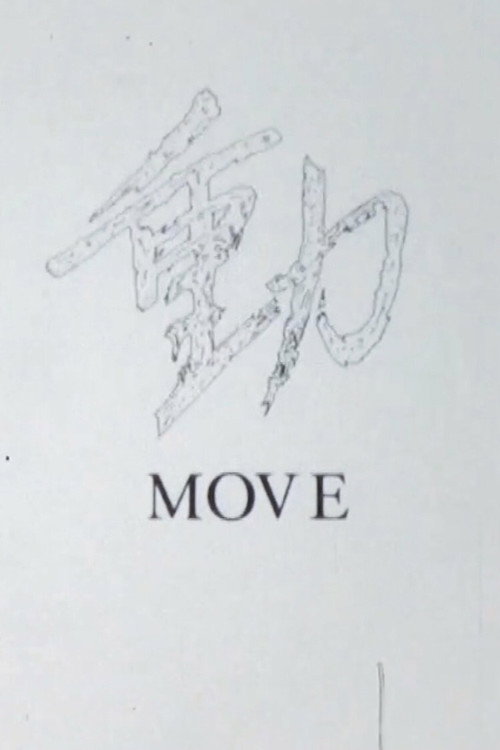
MOVE 1986
Keiji Aiuchi's MOVE (1986) is a daring seven-minute experimental short that pushes the boundaries of cinematic language. Blending abstract visuals with a minimalist soundscape, the film challenges viewers to interpret its fleeting images and shifting perspectives.
Director: Keiji Aiuchi
Frequently Asked Questions
What is MOVE (1986) about?
MOVE (1986) is a seven-minute experimental film that explores movement and perception through abstract imagery. Director Keiji Aiuchi strips away conventional storytelling to focus on visual texture and rhythm, creating an immersive experience that unfolds like a waking dream.
Who directed MOVE?
MOVE (1986) was directed by Keiji Aiuchi, a filmmaker known for pushing creative boundaries and experimenting with visual storytelling in short-form cinema.
Who stars in MOVE?
Cast details for MOVE (1986) are not publicly listed.
Is MOVE (1986) worth watching?
As an experimental short with no IMDb rating, MOVE (1986) caters to niche audiences interested in avant-garde cinema. Its seven-minute runtime makes it an easy watch for those curious about Aiuchi's bold visual style, though it may feel abstract or inaccessible to mainstream viewers.
How long is MOVE?
The runtime for MOVE (1986) is 7 minutes.
About MOVE (1986) — Keiji Aiuchi's Experimental Short Film Explored
Keiji Aiuchi's MOVE (1986) is a daring seven-minute experimental short that pushes the boundaries of cinematic language. Blending abstract visuals with a minimalist soundscape, the film challenges viewers to interpret its fleeting images and shifting perspectives. Rather than relying on narrative, Aiuchi crafts an atmospheric experience that lingers like a mood—part dream, part waking thought. The short's concise runtime belies its ambition, offering a snapshot of avant-garde filmmaking that rewards those who embrace its ambiguity.
MOVE (1986) stands as a testament to Aiuchi's innovative spirit, weaving together texture, color, and movement into a hypnotic loop. Whether viewed as a meditation on motion itself or a playful deconstruction of film form, the piece leaves space for personal interpretation. Its experimental nature invites discussion, making it a cult curiosity for fans of niche cinema and visual storytelling alike.