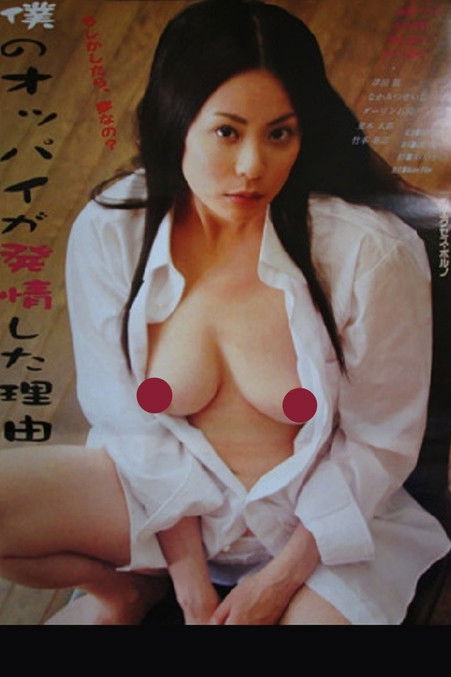
Boku no oppai ga hatsujô shita riyû 2014
Directed by Sachi Hamano in 2014, *Boku no oppai ga hatsujô shita riyû* offers a delicate exploration of personal transformation and self-discovery.
Director: Sachi Hamano
Cast






Frequently Asked Questions
What is *Boku no oppai ga hatsujô shita riyû* (2014) about?
The film follows young women as they confront personal transitions and emotional challenges in their daily lives. Rather than grand gestures, it highlights the subtle shifts that define their journeys toward self-acceptance.
Who directed *Boku no oppai ga hatsujô shita riyû*?
Sachi Hamano directed the film, known for her thoughtful and character-driven storytelling in intimate dramas.
Who stars in *Boku no oppai ga hatsujô shita riyû*?
The film features Nana Aida, Tubaki Kato, Miyori Mai, Yōko Satomi, and Motoko Sasaki in its ensemble cast.
Is *Boku no oppai ga hatsujô shita riyû* (2014) worth watching?
While not widely reviewed, its emotional depth and concise runtime make it an intriguing watch for fans of character-focused dramas and Japanese cinema.
How long is *Boku no oppai ga hatsujô shita riyû*?
The film runs for 60 minutes.
About Boku no oppai ga hatsujô shita riyû (2014) — A gentle drama of change and connection
Directed by Sachi Hamano in 2014, *Boku no oppai ga hatsujô shita riyû* offers a delicate exploration of personal transformation and self-discovery. This intimate drama follows the lives of young women navigating relationships, identity, and emotional growth against the backdrop of everyday struggles. With a runtime of just under an hour, the film captures fleeting moments of vulnerability and resilience, creating an atmosphere that feels both raw and tender. The story unfolds through soft, observational storytelling that lingers on small but meaningful interactions, inviting viewers to reflect on their own experiences.
The film's focus on personal milestones and the unexpected turns that shape who we become gives it a quiet but compelling power. Through its sensitive portrayal of characters like Nana Aida, Tubaki Kato, and Miyori Mai, *Boku no oppai ga hatsujô shita riyû (2014)* avoids dramatic excess in favor of a grounded, relatable narrative. The director's nuanced approach ensures that even brief scenes carry emotional weight, making this a memorable and introspective viewing experience.