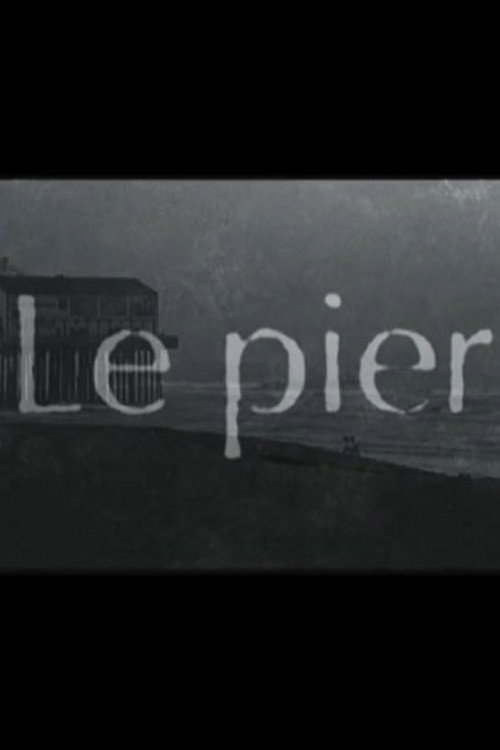
Le Pier 2014
Le Pier (2014), directed by Mireille Dansereau, is a deeply introspective documentary that explores the lingering shadows of childhood.
Director: Mireille Dansereau
Cast


Frequently Asked Questions
What is Le Pier (2014) about?
Le Pier (2014) is a documentary that delves into the psychological scars of childhood abandonment through the eyes of a woman still anchored to a traumatic past. Using personal archives and reenactments, the film examines how memory distorts reality and whether the past can ever truly be escaped.
Who directed Le Pier?
Le Pier (2014) was directed by Mireille Dansereau, a filmmaker known for exploring intimate family dynamics through documentary filmmaking.
Who stars in Le Pier?
The film stars Dominique Quesnel and Mireille Dansereau, who each bring personal perspectives to the exploration of memory and loss.
Is Le Pier (2014) worth watching?
While Le Pier (2014) isn't widely rated, its evocative blend of archival footage and poetic storytelling makes it a compelling watch for fans of introspective documentaries. The film's themes of memory and resilience resonate deeply, though its niche style may not appeal to all viewers.
How long is Le Pier?
Le Pier (2014) has a runtime of 30 minutes.
About Le Pier (2014) — A Poetic Documentary on Memory and Childhood Loss
Le Pier (2014), directed by Mireille Dansereau, is a deeply introspective documentary that explores the lingering shadows of childhood. Blending archival footage from the 1940s with personal home videos, the film traces the emotional fracture of a little girl whose world shatters the day her father walks out. Years later, she remains emotionally frozen, haunted by memories that blur the line between past and present. Through poetic visuals and haunting narration, Dansereau crafts a cinematic essay that questions how we construct—and reconstruct—our earliest experiences. This is a film where memory isn't just recalled; it's reenacted, transforming personal history into a universal meditation on loss, time, and the stories we tell ourselves.
Set against the raw, unfiltered backdrop of family archives and intimate reflections, Le Pier (2014) captures the ache of unresolved childhood pain with quiet intensity. The director's use of fragmented images and shifting perspectives invites viewers to question their own perceptions of memory and identity. Is the past truly behind us, or does it linger in the spaces between reality and imagination? A visually striking and emotionally layered work, this short documentary lingers long after the credits roll.