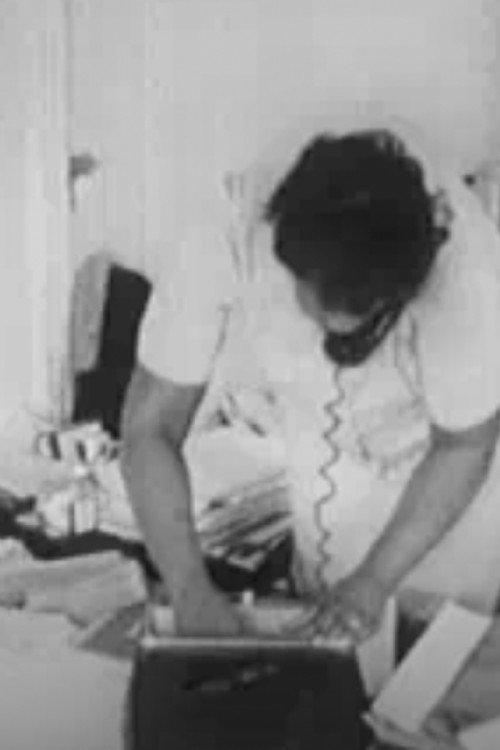
With No One To Help Us 1967
Directed by Eugene Marler in 1967, *With No One To Help Us* is a poignant short documentary that captures the grassroots power of community organizing.
Director: Eugene Marler
Frequently Asked Questions
What is With No One To Help Us (1967) about?
This 1967 documentary follows a group of Newark welfare mothers who form a food-buying club to combat rising grocery costs and neglect in their community. Their efforts not only improve access to affordable food but also spark broader conversations about poverty and systemic inequality in urban America.
Who directed With No One To Help Us?
Eugene Marler directed this socially conscious documentary, capturing the raw spirit of community-driven change.
Who stars in With No One To Help Us?
The documentary centers on a group of Newark welfare mothers, whose names are not listed in available records.
Is With No One To Help Us (1967) worth watching?
Though unrated on IMDb, *With No One To Help Us* offers a rare glimpse into 1960s grassroots activism through its authentic storytelling and compelling subject matter. It's a short but impactful film for those interested in social history or documentary filmmaking.
How long is With No One To Help Us?
The film runs for 22 minutes.
About With No One To Help Us (1967) — How Grassroots Activism Changed a Community
Directed by Eugene Marler in 1967, *With No One To Help Us* is a poignant short documentary that captures the grassroots power of community organizing. The film follows a group of Newark welfare mothers who form a food-buying club, transforming their neighborhood by securing affordable groceries and fostering collective resilience. Shot in black-and-white, the documentary immerses viewers in the gritty realities of 1960s urban America, highlighting themes of solidarity, economic justice, and grassroots activism. Though brief at just 22 minutes, its impact lingers, offering a raw and inspiring snapshot of how marginalized voices can drive meaningful change.
At its core, *With No One To Help Us (1967)* is a testament to the strength of ordinary people uniting against systemic barriers. The film's intimate portrayal of these women's struggles and triumphs creates an atmosphere of both urgency and hope, making it a compelling watch for history buffs and advocates of social justice alike. Whether you're studying the era or simply seeking an uplifting story of resistance, this documentary delivers a powerful message about the impact of collective action.