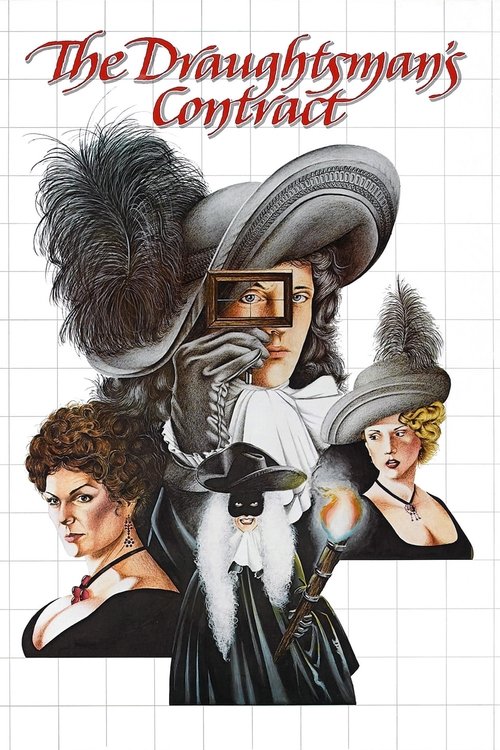
The Draughtsman's Contract 1982
"A landscape of lust and cunning."
Peter Greenaway's visually arresting debut feature, *The Draughtsman's Contract (1982)*, blends history, mystery, and dark comedy into a sumptuous period puzzle. Set on a sun-drenched 17th-century English estate, the film follows R.
Director: Peter Greenaway
Cast





Frequently Asked Questions
What is The Draughtsman's Contract (1982) about?
This period mystery follows a brash artist hired to sketch a nobleman's estate, only to uncover a dark web of deception when the homeowner is found dead. His intricate drawings, commissioned for money and more, become the key to unraveling a deadly conspiracy.
Who directed The Draughtsman's Contract?
Peter Greenaway directed this visually sumptuous debut, blending historical drama with biting wit and intricate plotting.
Who stars in The Draughtsman's Contract?
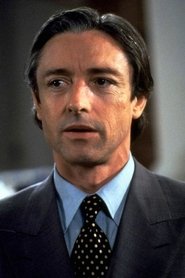
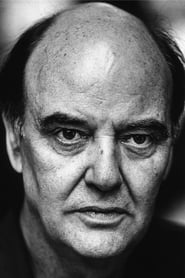
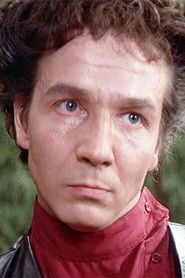
Anthony Higgins headlines the cast as the scheming draughtsman, joined by Janet Suzman as the alluring Virginia Herbert, with Anne-Louise Lambert and Hugh Fraser rounding out the ensemble.
Is The Draughtsman's Contract (1982) worth watching?
Greenaway's stylish, cerebral thriller offers a feast for fans of period mysteries and visual storytelling. While its pacing may feel deliberate, its sharp dialogue and layered plot make it a rewarding watch for those who appreciate historical intrigue and artistic flair.
How long is The Draughtsman's Contract?
The film runs 108 minutes, offering a concise yet immersive experience.
🎥 Trailer
About The Draughtsman's Contract (1982) — A Murder Mystery Wrapped in Baroque Art and Dark Comedy
Peter Greenaway's visually arresting debut feature, *The Draughtsman's Contract (1982)*, blends history, mystery, and dark comedy into a sumptuous period puzzle. Set on a sun-drenched 17th-century English estate, the film follows R. Neville (Anthony Higgins), a defiantly arrogant artist commissioned to sketch twelve meticulous landscapes. His fee comes with an unspoken condition: Virginia Herbert (Janet Suzman), the client's seductive wife, promises him intimacy while her husband is away. But when Mr. Herbert is found murdered, Neville's drawings—once mere artistic records—hint at a deadly secret, turning the idyllic garden into a stage for deception and intrigue.
Greenaway's razor-sharp satire unfolds with ornate precision, where art and illusion collide. The film's lush cinematography and wry tone underscore themes of power, desire, and the unreliability of perception. As clues emerge from Neville's sketches, the story twists into a brilliantly plotted whodunit that questions who holds the real power—the artist or the audience.