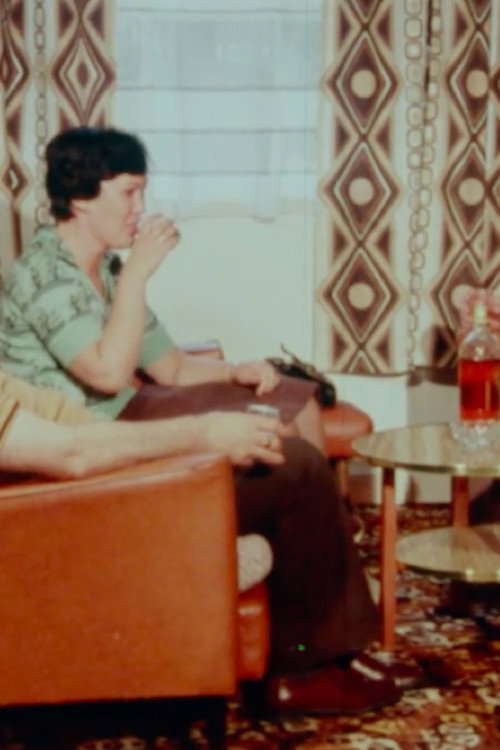
Our Liverpool Home 1978
In the late 1970s, the tight-knit communities of Corn Street and Yates Street in Liverpool faced a shared challenge: crumbling terraced houses threatening their way of life.
Director: A. W. Cleeve Barr
Frequently Asked Questions
What is Our Liverpool Home (1978) about?
This documentary follows 52 Liverpool families in the late 1970s as they join forces to modernize their worsening terraced housing. The film captures their collaborative journey, highlighting both the challenges and triumphs of creating a sustainable living environment together.
Who directed Our Liverpool Home?
A. W. Cleeve Barr directed this short documentary, bringing a keen eye to the community's grassroots efforts.
Who stars in Our Liverpool Home?
The film features 52 families from Corn Street and Yates Street in Liverpool as the main 'cast', their stories driving the narrative forward.
Is Our Liverpool Home (1978) worth watching?
With its authentic portrayal of community-driven change, *Our Liverpool Home* offers a fascinating snapshot of 1970s social history. While it's a niche documentary, its themes of resilience and collective action resonate strongly, making it a rewarding watch for fans of real-life stories and urban social movements.
How long is Our Liverpool Home?
The film runs for 28 minutes, perfect for a concise yet impactful viewing experience.
About Our Liverpool Home (1978) — How 52 Families Transformed Their Streets
In the late 1970s, the tight-knit communities of Corn Street and Yates Street in Liverpool faced a shared challenge: crumbling terraced houses threatening their way of life. From this struggle emerged a remarkable grassroots movement, as 52 families banded together to form a pioneering housing co-op. *Our Liverpool Home (1978)* documents their journey toward renewal, capturing the spirit of collective action and resilience that transformed these rundown homes into vibrant spaces. Directed by A. W. Cleeve Barr, this short documentary offers a glimpse into the power of community collaboration, blending the raw textures of urban life with a hopeful vision of improvement.
With its sharp focus on the personal stories behind the renovation efforts, the film immerses viewers in a world where ordinary people become architects of change. The documentary's intimate lens reveals not just the physical upgrades but the emotional bonds forged in the process, making it a poignant portrait of resilience and solidarity. Shot in the documentary style of the era, it retains a timeless quality, serving as both a historical artifact and an inspiration for modern audiences interested in grassroots social movements.