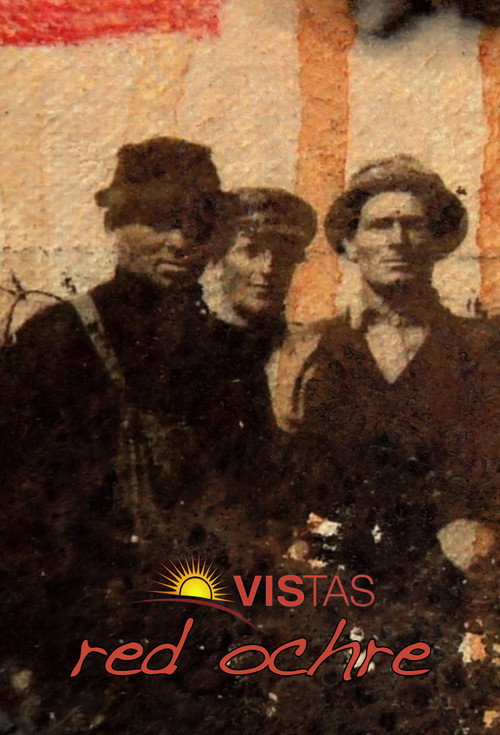
Vistas: Red Ochre 2009
In *Vistas: Red Ochre (2009)*, Indigenous filmmaker Jerry Evans crafts a hauntingly poetic short documentary that peels back the layers of Newfoundland's Mi'kmaq experience.
Director: Jerry Evans
Frequently Asked Questions
What is Vistas: Red Ochre (2009) about?
*Vistas: Red Ochre* is a short documentary that uses archival and found footage to explore the personal journey of growing up Mi'kmaq in Newfoundland, a place where Indigenous identity has often been denied or overlooked. The film blends imagery and personal reflection to paint a poignant picture of resilience and cultural survival.
Who directed Vistas: Red Ochre?
Vistas: Red Ochre was directed by Jerry Evans, an Indigenous filmmaker whose work focuses on storytelling from a Mi'kmaq perspective.
Who stars in Vistas: Red Ochre?
Cast details for *Vistas: Red Ochre* are not publicly listed, reflecting the film's focus on collective Indigenous experience rather than individual stardom.
Is Vistas: Red Ochre (2009) worth watching?
*Vistas: Red Ochre* may be short at just 3 minutes, but its emotional depth and artistic vision make it impactful. As a documentary rooted in Indigenous perspectives, it offers a rare and intimate look at cultural identity, making it a must-watch for fans of short films and documentary cinema.
How long is Vistas: Red Ochre?
Vistas: Red Ochre has a runtime of 3 minutes.
About Vistas: Red Ochre (2009) — A short film on Mi'kmaq identity and cultural denial
In *Vistas: Red Ochre (2009)*, Indigenous filmmaker Jerry Evans crafts a hauntingly poetic short documentary that peels back the layers of Newfoundland's Mi'kmaq experience. Through a collage of archival images, newly shot footage, and serendipitous found material, Evans weaves an intimate portrait of growing up Indigenous in a province where denial of culture runs as deep as the red ochre-stained soil. The film, part of the National Film Board of Canada's *Vistas* series, doesn't shy away from the discomfort of cultural erasure but instead confronts it with raw honesty and lyrical visuals. The atmosphere is one of quiet resilience, where the land itself seems to whisper stories of survival and identity.
This 3-minute cinematic meditation is more than a personal narrative—it's a defiant reclaiming of space. By blending past and present, Evans invites viewers to witness the quiet strength of a community clinging to its roots despite systemic invisibility. The film's impressionistic style makes it feel like a whispered secret, a fleeting glimpse into a world often overlooked. Whether you're drawn to Indigenous cinema, short films, or stories that linger long after the credits roll, *Red Ochre* offers a profound and unforgettable experience.