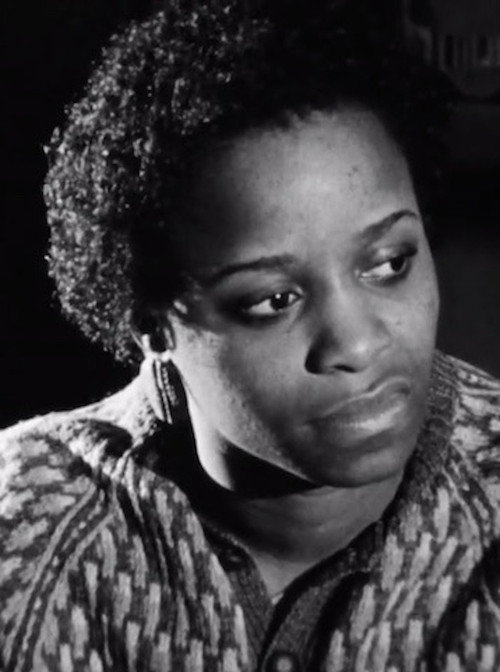
Unspoken Conversation 1987
In "Unspoken Conversation" (1987), a determined woman takes a bold step toward self-realization when she enrolls in college to chase her lifelong passion for filmmaking.
Director: Iman Uqdah Hameen
Frequently Asked Questions
What is Unspoken Conversation (1987) about?
The film follows a woman who returns to college to fulfill her dream of becoming a filmmaker, exploring her personal growth amid challenges and societal expectations. It's a story of determination, identity, and the quiet power of pursuing one's passion.
Who directed Unspoken Conversation?
Iman Uqdah Hameen directed the short film, creating a deeply intimate and introspective drama under the mentorship of Kathleen Collins.
Who stars in Unspoken Conversation?
Cast details for the 1987 short film are not publicly available.
Is Unspoken Conversation (1987) worth watching?
As a short drama with themes of ambition and self-discovery, "Unspoken Conversation" offers a reflective experience for fans of character-driven cinema. While not widely rated, its focus on personal storytelling makes it an intriguing watch for niche audiences.
How long is Unspoken Conversation?
Unspoken Conversation has a runtime of 24 minutes.
Unspoken Conversation (1987): A Short Drama About Chasing Dreams — Full Film Details
In "Unspoken Conversation" (1987), a determined woman takes a bold step toward self-realization when she enrolls in college to chase her lifelong passion for filmmaking. Directed by Iman Uqdah Hameen under the guidance of visionary filmmaker Kathleen Collins, this short drama captures a deeply personal journey of growth, resilience, and the quiet courage it takes to rewrite one's future. The film weaves themes of ambition and identity into a subtle yet powerful narrative, creating an intimate atmosphere that lingers long after the credits roll.
As the protagonist navigates academic challenges and societal expectations, "Unspoken Conversation" reflects on the unspoken struggles many face when pursuing dreams outside traditional paths. Hameen's sensitive direction and the film's focus on inner transformation make it a poignant exploration of female empowerment and artistic aspiration in the late 20th century.