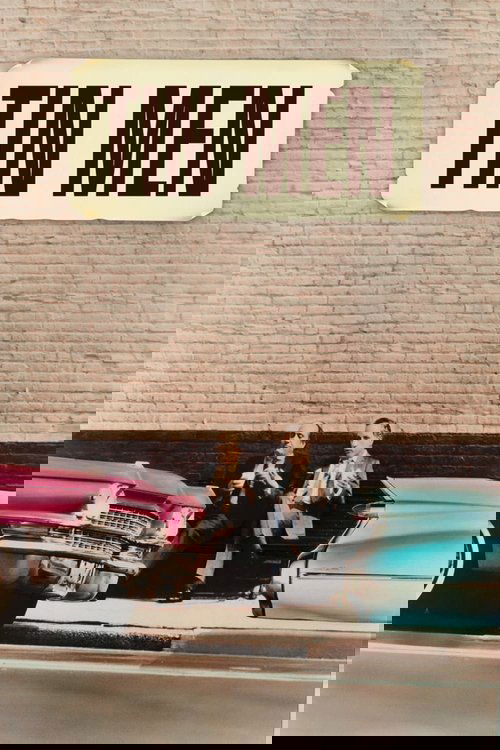
Tin Men 1987
"The American Dream changes. The people who sell it don't."
Dive into the razor-sharp world of *Tin Men (1987)*, Barry Levinson's razor-edged comedy-drama set in 1963 Baltimore, where two brash aluminum-siding salesmen turn a fender-bender into an all-out war of ego and ambition.
Director: Barry Levinson
Cast









Frequently Asked Questions
What is Tin Men (1987) about?
Two aggressive aluminum-siding salesmen in 1963 Baltimore spiral into a bitter rivalry after a minor car accident, escalating their personal war into increasingly absurd and destructive territory. The film explores their toxic masculinity, pride, and the cracks in their shiny facades as they chase hollow success.
Who directed Tin Men?
Barry Levinson, known for his keen eye for character-driven dramas like *Rain Man* and *Diner*, helmed *Tin Men*. His signature blend of humor and social observation shines in this Baltimore-set saga.
Who stars in Tin Men?
The film features Richard Dreyfuss and Danny DeVito as the bickering salesmen, alongside Barbara Hershey as a woman caught in their crossfire and John Mahoney as a voice of reason.
Is Tin Men (1987) worth watching?
*Tin Men* is a hidden gem for fans of sharp, character-driven comedies with depth. While not a blockbuster, Levinson's direction and the electric chemistry between Dreyfuss and DeVito make it a compelling watch for those who appreciate wit and pathos in equal measure.
How long is Tin Men?
The runtime of *Tin Men* is 112 minutes, or just under two hours.
🎥 Trailer
Tin Men: What Happens When the American Dream Gets a Dent — Full Movie Info
Dive into the razor-sharp world of *Tin Men (1987)*, Barry Levinson's razor-edged comedy-drama set in 1963 Baltimore, where two brash aluminum-siding salesmen turn a fender-bender into an all-out war of ego and ambition. Richard Dreyfuss and Danny DeVito ignite the screen as rival hustlers whose cutthroat rivalry escalates from petty sabotage to full-blown personal vendettas, all while navigating the grittier realities lurking beneath the glossy veneer of their so-called "American Dream." With razor-sharp dialogue and a pitch-perfect blend of humor and heartache, this underrated gem captures the absurdity and pathos of male competitiveness in an era of shifting ideals.
Levinson crafts a vivid portrait of mid-century America, where ambition and folly collide behind the wheel of a used sedan. The film's themes of pride, downfall, and the hollow promises of material success linger long after the credits roll, wrapped in the warm yet biting nostalgia of classic American storytelling.