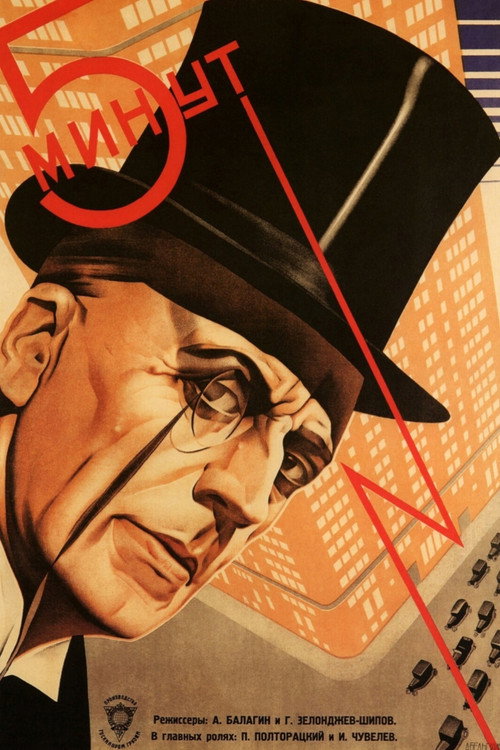
Five Minutes 1929
This 1929 Soviet-era drama, directed by Aleksandr Balagin, captures a fleeting yet powerful moment in history. When news of Lenin's death spreads globally in January 1924, the world pauses for five minutes—factories halt, trains stand still, and ships rest at sea.
Director: Aleksandr Balagin
Cast
Frequently Asked Questions
What is Five Minutes (1929) about?
*Five Minutes* follows the global reaction to Lenin's death in 1924, when the world stopped for five minutes of silence. The film juxtaposes this collective mourning with a capitalist's scheme to exploit the chaos, blending historical gravity with personal ambition.
Who directed Five Minutes?
The film was directed by Aleksandr Balagin, a filmmaker known for his work during the early Soviet era.
Who stars in Five Minutes?
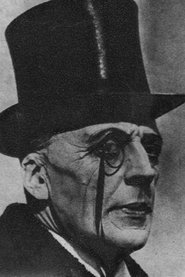
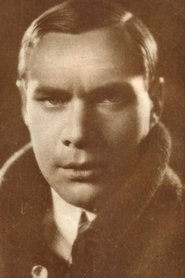
The cast includes Pavel Poltoratskiy, Ivan Chuvelyov, Van Min-Si, Jonshon, and Xo Mo-Tsin in key roles.
Is Five Minutes (1929) worth watching?
*Five Minutes* is a fascinating historical drama with a unique premise, though its short runtime and silent-era style may limit its appeal. Fans of early Soviet cinema or political films will find it intriguing.
How long is Five Minutes?
The film runs for 48 minutes, making it a concise yet impactful viewing experience.
About Five Minutes (1929) — A 1920s Soviet drama about history, power, and a global pause
This 1929 Soviet-era drama, directed by Aleksandr Balagin, captures a fleeting yet powerful moment in history. When news of Lenin's death spreads globally in January 1924, the world pauses for five minutes—factories halt, trains stand still, and ships rest at sea. The film contrasts this international moment of silence with the ambitions of a wealthy American businessman whose deal hinges on the global chaos. Balagin's direction blends political gravity with personal stakes, creating a haunting atmosphere of loss and opportunity. With a runtime of just 48 minutes, *Five Minutes (1929)* is a stark reminder of how history can rewrite destinies in an instant.
Exploring themes of mortality and capitalism, the film contrasts the collective grief of the working class with the opportunistic calculations of the elite. The cast, led by Pavel Poltoratskiy and Ivan Chuvelyov, delivers performances that ground this historical snapshot in raw emotion. The black-and-white visuals amplify the solemnity, making it a poignant watch for those interested in early Soviet cinema and its intersection with global events.