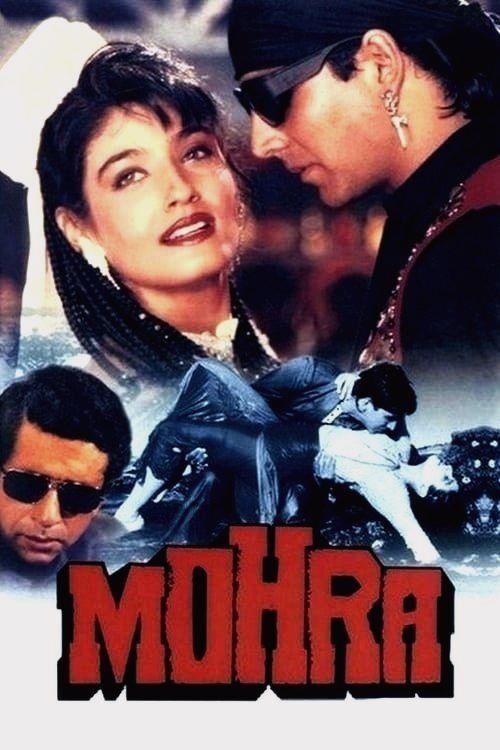
Mohra 1994
Dive into the gritty world of 1990s Indian cinema with Mohra (1994), a gripping action-thriller directed by Rajiv Rai. Journalist Roma Singh's life takes a dramatic turn when she's molested in a prison, and a mysterious inmate, Vishal Agnihotri, comes to her aid.
Director: Rajiv Rai
Cast



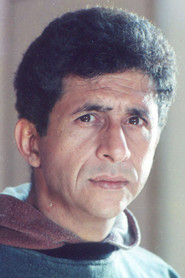

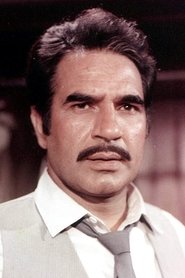


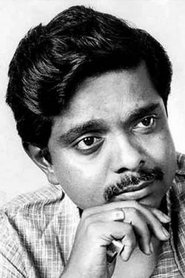
Frequently Asked Questions
What is Mohra (1994) about?
Mohra (1994) follows the story of journalist Roma Singh, who becomes embroiled in a complex web of corruption and deceit when she helps a mysterious inmate, Vishal Agnihotri, who's accused of four homicides.
Who directed Mohra?
Rajiv Rai brings his unique vision to the screen in Mohra (1994).
Who stars in Mohra?
The talented cast of Mohra (1994) includes Akshay Kumar, Suniel Shetty, and Raveena Tandon, among others.
Is Mohra (1994) worth watching?
With its gripping plot, thought-provoking themes, and stellar cast, Mohra (1994) is definitely worth watching, especially for fans of action-thrillers and Hindi cinema.
How long is Mohra?
Mohra (1994) has a runtime of 177 minutes.
🎥 Trailer
About Mohra (1994) — A Gripping Action-Thriller That Will Keep You Guessing
Dive into the gritty world of 1990s Indian cinema with Mohra (1994), a gripping action-thriller directed by Rajiv Rai. Journalist Roma Singh's life takes a dramatic turn when she's molested in a prison, and a mysterious inmate, Vishal Agnihotri, comes to her aid. As she digs deeper into Vishal's past, she uncovers a web of deceit and corruption that led him to take the law into his own hands. With a star-studded cast, including Akshay Kumar, Suniel Shetty, and Raveena Tandon, Mohra is a must-watch for fans of Hindi cinema.
Set against the backdrop of a corrupt justice system, Mohra (1994) is a thought-provoking film that explores themes of violence, morality, and the struggle for justice. With its fast-paced action sequences and gripping plot twists, this Bollywood classic will keep you on the edge of your seat. So, if you're looking for a thrilling ride that will leave you questioning the very fabric of society, look no further than Mohra (1994).