Copihuito 1977
Dive into *Copihuito (1977)*, a striking 14-minute color documentary by Günter Jordan that captures the spirit of Chilean exiles in East Germany.
Director: Günter Jordan
Frequently Asked Questions
What is Copihuito (1977) about?
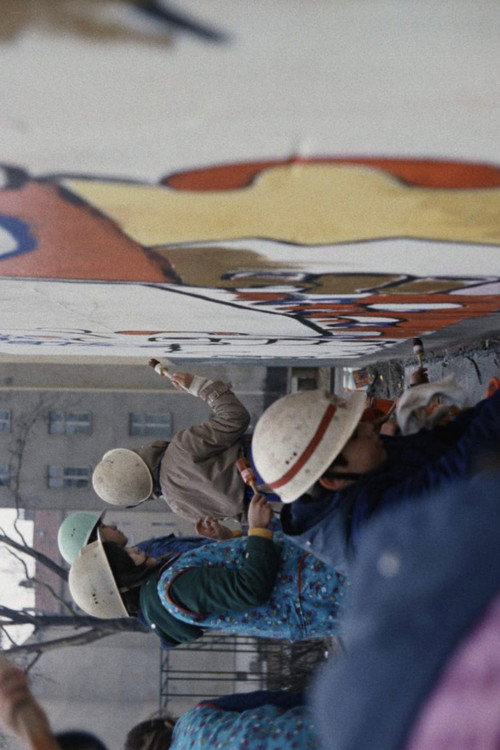
*Copihuito* is a documentary that explores the lives of young Chilean pioneers living in East Germany, chronicling their journey to create a pioneer newspaper from concept to print. The film juxtaposes their experiences with powerful paintings by Chilean artist César Olhagaray and poetic verses from Pablo Neruda's *The Great Song*, highlighting themes of freedom and resilience.
Who directed Copihuito?
The film was directed by Günter Jordan, a filmmaker known for his work in documentaries.
Who stars in Copihuito?
Cast details are not available for this short documentary.
Is Copihuito (1977) worth watching?
While *Copihuito* may not have a widely documented IMDb rating, its historical and artistic significance makes it a compelling watch for those interested in Cold War-era documentaries or Latin American exile narratives. Its short runtime and unique blend of visual art and poetry add to its appeal.
How long is Copihuito?
The runtime for *Copihuito* is 14 minutes.
About Copihuito (1977) — A Short Film of Exile, Art, and Resistance
Dive into *Copihuito (1977)*, a striking 14-minute color documentary by Günter Jordan that captures the spirit of Chilean exiles in East Germany. This short film follows young pioneers in the GDR as they craft their own newspaper, transforming early ideas into a tangible publication that embodies their resilience and dreams.
The visual narrative is enriched by César Olhagaray's evocative paintings, which vividly depict Chile's fight for freedom and the hopes of its people, while excerpts from Pablo Neruda's *The Great Song* (Canto General) add a poetic layer to the story. The film blends historical context with artistic expression, creating a poignant snapshot of solidarity and cultural exchange in a bygone era.