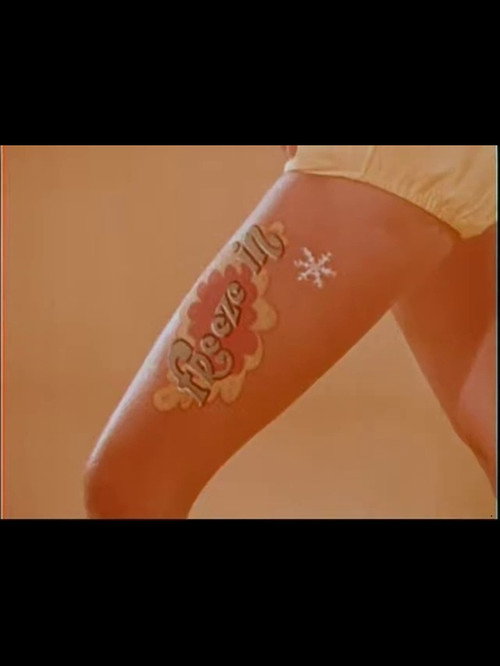
Freeze-In 1969
Dive into the quirky world of Freeze-In (1969), a short-form comedy that blends salesmanship with the zany energy of 1960s television.
Cast

Frequently Asked Questions
What is Freeze-In (1969) about?
Freeze-In (1969) is a lighthearted sales training short that uses the high-energy, sketch-comedy format of 1960s TV to promote Kenmore freezers. The film blends humor with product demonstrations, creating a unique blend of entertainment and advertising.
Who directed Freeze-In?
Director information is not available.
Who stars in Freeze-In?
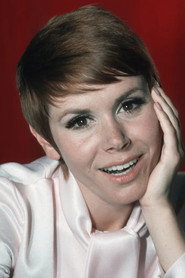
The film stars comedy performers Judy Carne and Arte Johnson, known for their work in television and film during the 1960s.
Is Freeze-In (1969) worth watching?
While not a cinematic masterpiece, Freeze-In (1969) offers a nostalgic glimpse into mid-century advertising and comedy styles. Its short runtime and playful tone make it an interesting curiosity for fans of vintage TV and retro home appliances.
How long is Freeze-In?
Freeze-In (1969) has a runtime of 16 minutes.
About Freeze-In (1969) — A Vintage Comedy Short You Won't Freeze Out Of
Dive into the quirky world of Freeze-In (1969), a short-form comedy that blends salesmanship with the zany energy of 1960s television. This 16-minute film puts a playful spin on Kenmore freezer promotions, adopting the rapid-fire, sketch-style format popularized by the era's iconic Laugh-In. Featuring Judy Carne and Arte Johnson, two rising stars of comedy, the movie transforms a simple product pitch into a lighthearted romp through mid-century kitchen culture. The atmosphere crackles with vintage charm, blending slapstick humor with the unmistakable aesthetic of retro home appliances.
While not a traditional narrative film, Freeze-In (1969) offers a fascinating snapshot of how consumer education merged with entertainment in the late 1960s. Its short runtime and comedic tone make it a curious relic for fans of classic TV mold and advertising history alike. Though obscure today, the film's unique blend of humor and salesmanship leaves a memorable impression—one that's as much about the era it represents as the freezers it promotes.