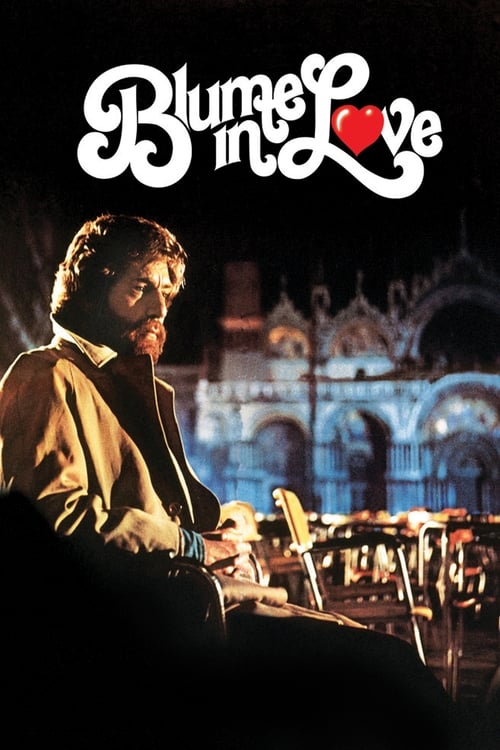
Blume in Love 1973
"A love story for guys who cheat on their wives."
Paul Mazursky's sharp 1973 dramedy *Blume in Love* dives into the tangled emotions of love, betrayal, and second chances through the eyes of a divorce lawyer who can't let go of his ex-wife.
Director: Paul Mazursky
Cast







Frequently Asked Questions
What is Blume in Love (1973) about?
The film follows Stephen Blume, a divorce attorney stuck in a bitter irony: he helps others untangle their marriages while struggling to let go of his own. His journey becomes a bittersweet exploration of love's contradictions.
Who directed Blume in Love?
Paul Mazursky directed *Blume in Love*, bringing his signature blend of sharp humor and emotional depth to this 1973 dramedy.
Who stars in Blume in Love?
The film features George Segal, Susan Anspach, Kris Kristofferson, Marsha Mason, and Shelley Winters in key roles.
Is Blume in Love (1973) worth watching?
If you enjoy wit-infused dramas with complex characters, *Blume in Love* is a hidden gem. Its mix of comedy and heartache, anchored by strong performances, makes it a compelling watch for fans of mid-century romantic storytelling.
How long is Blume in Love?
The film has a runtime of 115 minutes, or just under two hours.
🎥 Trailer
About Blume in Love (1973) — When a divorce lawyer can't escape his own heartbreak
Paul Mazursky's sharp 1973 dramedy *Blume in Love* dives into the tangled emotions of love, betrayal, and second chances through the eyes of a divorce lawyer who can't let go of his ex-wife. George Segal stars as Stephen Blume, a man whose professional expertise in ending marriages contrasts painfully with his own inability to move on after his split. The film blends comedy and heartache, capturing the absurdity and vulnerability of modern romance, all while exploring themes of self-deception and redemption.
With a stellar ensemble cast including Kris Kristofferson and Marsha Mason, *Blume in Love (1973)* paints a vivid picture of 1970s relationship dynamics, where love and ego collide in equal measure. Mazursky's direction balances wit and melancholy, creating a story that feels both timeless and distinctly of its era.