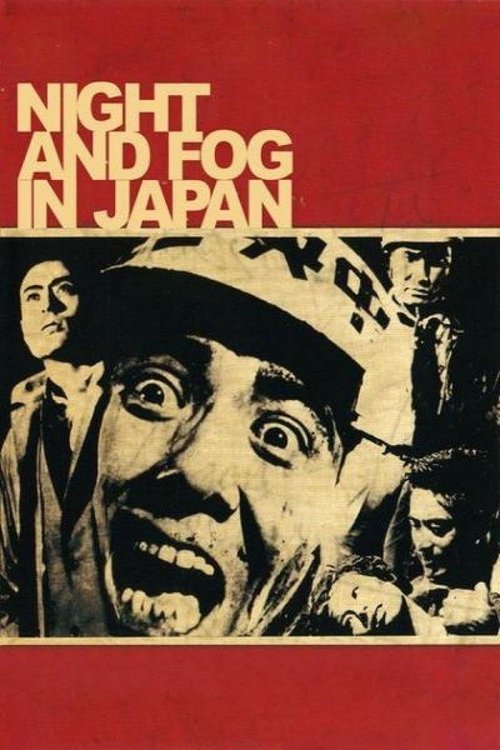
Night and Fog in Japan 1960
Nagisa Ōshima's *Night and Fog in Japan (1960)* delivers a stark, visually arresting examination of the fading ideals of a socialist student movement in post-war Japan.
Director: Nagisa Ōshima
Cast

Miyuki Kuwano
Reiko Harada
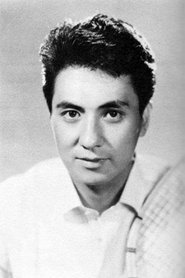
Fumio Watanabe
Haruaki Nozawa
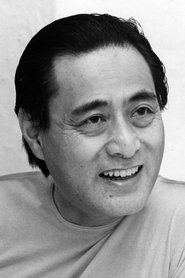
Masahiko Tsugawa
Ôta
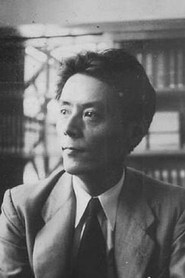
Hiroshi Akutagawa
Prof. Udagawa

Kei Satō
Sakamaki

Rokkō Toura
Higashiura Toura

Akiko Koyama
Misako Nakagawa
Shinko Ujiie
Mrs. Udagawa
Ichirô Hayami
Takumi
Takao Yoshizawa
Katsuhiko Nakayama
Frequently Asked Questions
What is Night and Fog in Japan (1960) about?
This 1960 drama dives into the collapse of a socialist student movement in Japan, capturing the personal and ideological fractures within the group. As activists confront their fading relevance, the film explores themes of disillusionment, betrayal, and the lingering echoes of shared convictions.
Who directed Night and Fog in Japan?
The film was directed by Nagisa Ōshima, a visionary filmmaker known for his provocative and politically charged works.
Who stars in Night and Fog in Japan?
The cast includes Miyuki Kuwano, Fumio Watanabe, Masahiko Tsugawa, Hiroshi Akutagawa, and Kei Satō in key roles.
Is Night and Fog in Japan (1960) worth watching?
While it's not a mainstream title, *Night and Fog in Japan* is a compelling watch for fans of political dramas and auteur cinema. Its unconventional style and thought-provoking themes make it a standout in Ōshima's filmography, even if it's far from an easy or uplifting experience.
How long is Night and Fog in Japan?
The film runs for 103 minutes.
🎥 Trailer
Night and Fog in Japan (1960): A Haunting Look at Lost Activism — Full Movie Info
Nagisa Ōshima's *Night and Fog in Japan (1960)* delivers a stark, visually arresting examination of the fading ideals of a socialist student movement in post-war Japan. Through long, unbroken takes and a deliberately theatrical aesthetic, the film contrasts the collective energy of activism with the quiet erosion of its purpose. The black-and-white cinematography bathes the story in a haunting, almost ghostly atmosphere, reflecting the lingering disillusionment of its characters. With a cast led by Miyuki Kuwano and Fumio Watanabe, the narrative weaves personal and political tensions into a single, unflinching tableau, leaving viewers to grapple with the weight of unresolved history.
The film's confrontational style mirrors the raw, unfiltered emotions of its subjects, who are caught between loyalty to their cause and the crushing reality of its decline. Ōshima's bold direction strips away sentimentality, offering instead a meditation on memory, betrayal, and the fragility of ideals. *Night and Fog in Japan* isn't just a period piece—it's a cinematic experience that lingers long after the credits roll, challenging audiences to reflect on the cost of passion and the quiet aftermath of revolution.