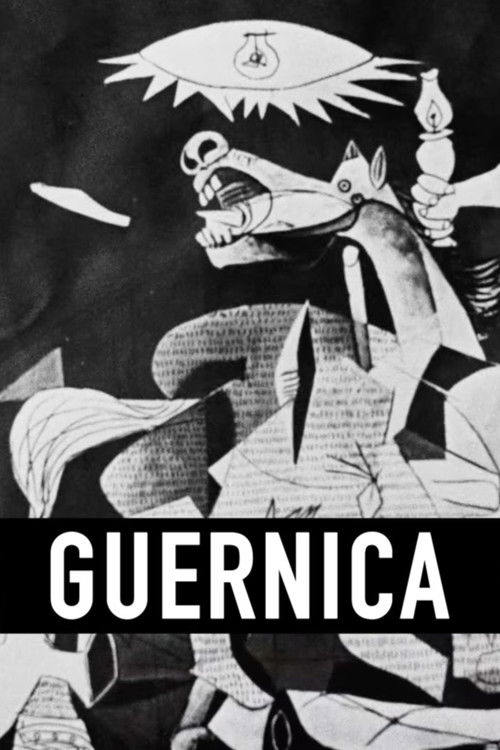
Guernica 1951
Alain Resnais' *Guernica* (1951) is a haunting 13-minute documentary that transforms Pablo Picasso's iconic mural into a powerful indictment of war.
Director: Alain Resnais
Cast

Frequently Asked Questions
What is Guernica (1951) about?
Alain Resnais' *Guernica* confronts the 1937 bombing of the Basque town during the Spanish Civil War, using Picasso's mural as a backdrop to expose the brutality of war. The film juxtaposes stark imagery with poetic narration to deliver a raw, unflinching message against conflict.
Who directed Guernica?
The film was directed by Alain Resnais, a French filmmaker renowned for his innovative approach to documentary storytelling.
Who stars in Guernica?
The film features María Casares as the voice of Paul Eluard's poem, Jacques Pruvost in the narration, and is framed by Alain Resnais' creative direction.
Is Guernica (1951) worth watching?
At just 13 minutes, *Guernica* packs an emotional punch that lingers long after the credits roll. Though unrated, its impact as a historical and artistic statement makes it a compelling watch for fans of war films and avant-garde cinema.
How long is Guernica?
The film runs for 13 minutes.
About Guernica (1951) — Alain Resnais' Anti-War Masterpiece in 13 Minutes
Alain Resnais' *Guernica* (1951) is a haunting 13-minute documentary that transforms Pablo Picasso's iconic mural into a powerful indictment of war. Blending archival newspaper clippings with chilling narration by Jacques Pruvost, the film revisits the brutal bombing of Guernica during the Spanish Civil War in April 1937. María Casares' evocative recitation of Paul Eluard's poem amplifies the emotional weight, set against Guy Bernard's discordant score that underscores the chaos and horror of conflict.
This short film isn't just a visual homage—it's a visceral protest, using Picasso's fractured cubist imagery to mirror the shattered lives left in the wake of war. The stark black-and-white visuals and poetic fury create an atmosphere of urgency and despair, making *Guernica* a timeless piece that resonates with modern audiences as much as it did in 1951.