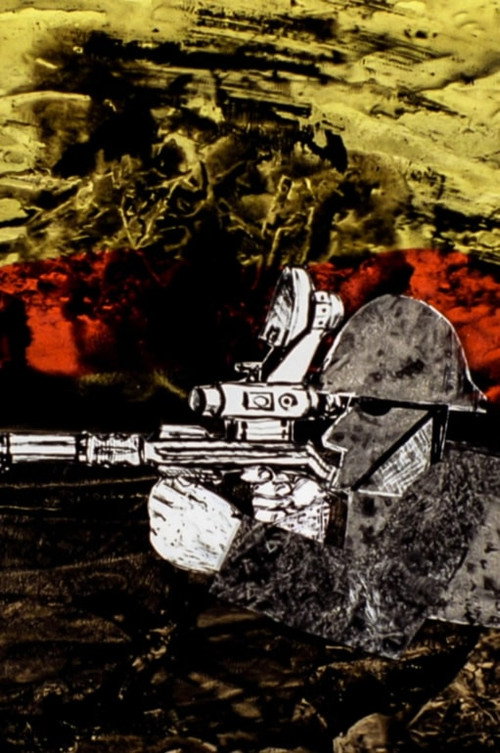
Pax Vincit 1981
In Zofia Oraczewska's sharp and concise animated short from 1981, Pax Vincit takes a bold look at the paradox between peace propaganda and looming conflict.
Director: Zofia Oraczewska
Frequently Asked Questions
What is Pax Vincit (1981) about?
This animated short explores the irony of post-WWII peace propaganda, where the slogan "Peace will win" ironically coincided with the rise of Cold War tensions. The film uses symbolic visuals to question how official narratives can hide the very conflicts they claim to prevent.
Who directed Pax Vincit?
Pax Vincit was directed by Zofia Oraczewska, a filmmaker known for her insightful and politically charged animated works during the late 20th century.
Who stars in Pax Vincit?
Cast details for Pax Vincit (1981) are not publicly listed, reflecting the film's independent and possibly experimental nature.
Is Pax Vincit (1981) worth watching?
While the IMDb rating is unlisted, its five-minute runtime and political themes make it a compelling watch for fans of animated shorts and Cold War-era cinema. The film's stark message about propaganda and conflict offers more depth than its brief length suggests.
How long is Pax Vincit?
Pax Vincit (1981) has a runtime of 5 minutes.
Pax Vincit (1981) — A Short Animated Film Exposing Peace Propaganda's Dark Side
In Zofia Oraczewska's sharp and concise animated short from 1981, Pax Vincit takes a bold look at the paradox between peace propaganda and looming conflict. Set against the tense backdrop of post-WWII global politics, this five-minute film unpacks how the slogan "Peace will win" became a thin veneer over the simmering Cold War tensions. Through subtle animation and symbolic storytelling, Oraczewska crafts a biting critique of how official narratives can mask the very dangers they claim to prevent.
Pax Vincit (1981) lingers in the viewer's mind as a haunting reflection on the fragility of peace and the ease with which power and propaganda can distort reality. Its minimal runtime belies its powerful message, making it a fascinating watch for fans of political animation and mid-century Eastern European cinema. Though modest in length, the film's themes resonate with contemporary questions about truth in media and the cyclical nature of global conflict.