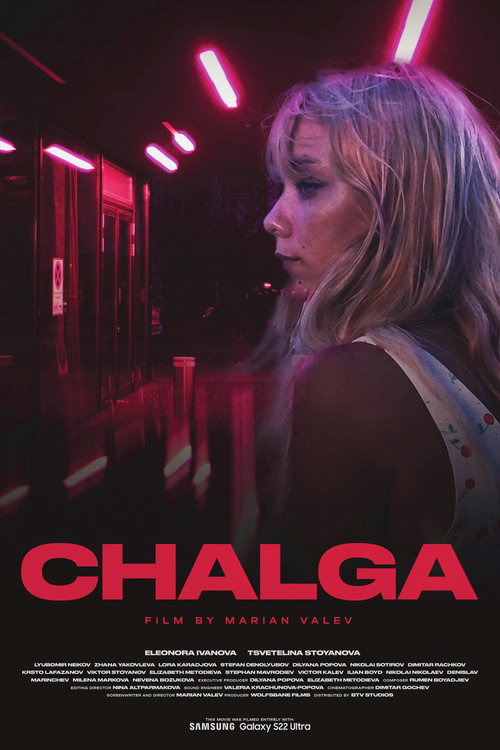
Chalga 2023
"Chalga"
Marian Valev's *Chalga (2023)* dives deep into the vibrant, often polarizing world of chalga—a cultural phenomenon that transcends mere music to shape identities, relationships, and even societal norms.
Director: Marian Valev
Cast

Frequently Asked Questions
What is Chalga (2023) about?
The film delves into the far-reaching impact of chalga culture on everyday life, portraying how its influence seeps into personal and social dynamics. Through compelling storytelling, it examines the tension between tradition and contemporary influences.
Who directed Chalga?
Marian Valev directed *Chalga*, bringing his distinctive vision to a story that challenges viewers to reflect on cultural identity.
Who stars in Chalga?
The film features Eleonora Ivanova and Tsvetelina Stoyanova in lead roles, delivering performances that anchor its dramatic narrative.
Is Chalga (2023) worth watching?
While it's unrated on IMDb, *Chalga* offers a thought-provoking exploration of a cultural movement that's hard to ignore. Fans of character-driven dramas with a strong sense of place will find much to appreciate in its storytelling and performances.
How long is Chalga?
The runtime for *Chalga* is 120 minutes.
About Chalga (2023) — A Drama Unpacking Bulgaria's Iconic Chalga Culture
Marian Valev's *Chalga (2023)* dives deep into the vibrant, often polarizing world of chalga—a cultural phenomenon that transcends mere music to shape identities, relationships, and even societal norms. Set against Bulgaria's pulsating urban landscapes, the drama follows characters whose lives are profoundly influenced by the rhythms and attitudes of chalga, a genre that blends folk, pop, and turbo-folk influences.
With a runtime of two gripping hours, the film explores themes of identity, belonging, and the blurred lines between tradition and modernity. Eleonora Ivanova and Tsvetelina Stoyanova deliver standout performances, embodying the complexities of their roles with raw authenticity. Valev's direction crafts an atmosphere that's as electric as it is introspective, leaving audiences to question how deeply culture shapes who we are.