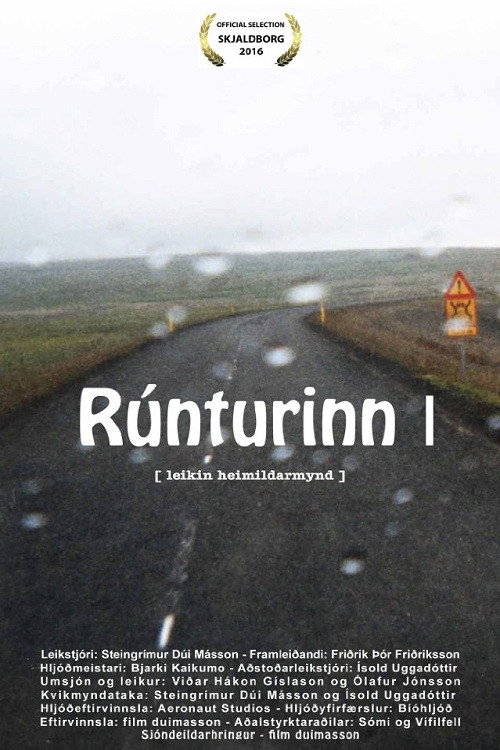
Rúnturinn I 2016
Dive into the raw, unfiltered world of Icelandic youth culture with *Rúnturinn I (2016)*, a documentary that bridges decades with its gritty 1999 lens.
Director: Steingrímur Dúi Másson
Frequently Asked Questions
What is Rúnturinn I (2016) about?
This documentary uncovers the vibrant, sometimes chaotic world of Icelandic teenage life in the late '90s, focusing on the *runtur*—weekend cruises through town centers that became a cultural phenomenon. Through archival footage, it examines how these drives shaped local identities, friendships, and the push-pull between conformity and self-expression.
Who directed Rúnturinn I?
Steingrímur Dúi Másson helmed the project, crafting a narrative that's as much about forgotten history as it is about the documentary form itself.
Who stars in Rúnturinn I?
Director information is not available.
Is Rúnturinn I (2016) worth watching?
For fans of raw, authentic storytelling, *Rúnturinn I* offers a compelling dive into a niche subculture. While it lacks a rating, its unique premise and the director's bold approach make it a standout among documentary films, especially for those interested in social history or Icelandic culture.
How long is Rúnturinn I?
The film runs for 80 minutes, a tight runtime that keeps the energy high and the focus sharp on its subjects.
About Rúnturinn I (2016) — Icelandic Youth Culture Captured in Raw 1999 Footage
Dive into the raw, unfiltered world of Icelandic youth culture with *Rúnturinn I (2016)*, a documentary that bridges decades with its gritty 1999 lens. Director Steingrímur Dúi Másson resurrects forgotten footage to explore the rebellious spirit of teenage life in Akranes, Keflavík, and Blönduósi, where weekend cruises—known as *runtur*—became a ritual of freedom and defiance. This isn't just a time capsule; it's a visceral snapshot of a generation navigating the blurred lines between tradition and self-discovery, set against the stark backdrop of Iceland's coastal towns.
At its heart, *Rúnturinn I* challenges the boundaries of documentary filmmaking by blending lost history with contemporary reflection. The film's delayed release—nearly two decades after its initial shoot—adds a layer of mystery, transforming what could have been mere nostalgia into a haunting exploration of time, memory, and the fleeting nature of youth. For viewers craving authenticity, this is a rare glimpse into a subculture that defined an era, captured in all its unpolished, unfiltered glory.