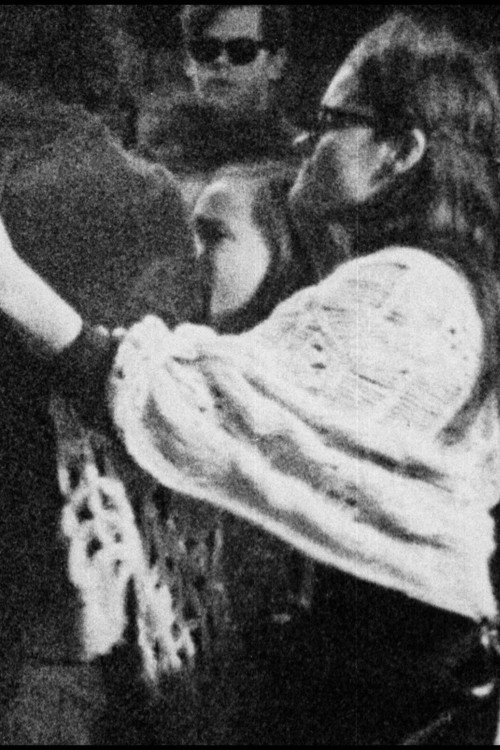
The Haight (Newsreel #21) 1968
In the sweltering summer of 1968, *The Haight (Newsreel #21)* captures the raw energy and defiance of San Francisco's Haight-Ashbury neighborhood as its residents take to the streets.
Director: San Francisco Newsreel
Frequently Asked Questions
What is The Haight (Newsreel #21) (1968) about?
This 1968 documentary plunges viewers into the heart of San Francisco's Haight-Ashbury neighborhood during a pivotal moment of cultural upheaval. It documents the community's grassroots efforts to defend their bohemian ideals against aggressive police tactics, capturing the tension between idealism and oppression in real time.
Who directed The Haight (Newsreel #21)?
The film was directed by San Francisco Newsreel, a collective known for their politically charged documentary work during the 1960s.
Who stars in The Haight (Newsreel #21)?
Cast information for this short documentary isn't officially listed, but the film features real-life residents, activists, and police officers caught in the moment.
Is The Haight (Newsreel #21) (1968) worth watching?
While it's a raw, unpolished piece of protest cinema, *The Haight (Newsreel #21)* offers invaluable historical insight into the counterculture's resistance. Its brevity and authenticity make it a fascinating watch for students of the era or anyone interested in the intersection of art and activism. Think of it as a historical snapshot rather than a polished narrative.
How long is The Haight (Newsreel #21)?
The runtime for *The Haight (Newsreel #21)* is listed as 6 minutes.
About The Haight (Newsreel #21) (1968) — The raw, unfiltered story of 1968's Haight-Ashbury uprising
In the sweltering summer of 1968, *The Haight (Newsreel #21)* captures the raw energy and defiance of San Francisco's Haight-Ashbury neighborhood as its residents take to the streets. Directed by the collective behind San Francisco Newsreel, this six-minute documentary thrusts viewers into the heart of a community under siege, where flower children and counterculture icons clash with police forces determined to crush their vision of freedom. The footage pulses with the urgency of protest, blending the idealism of the era with the harsh realities of oppression—think handheld cameras, raised fists, and the unmistakable soundtrack of chants echoing through the city's streets.
This short but potent film isn't just a relic of its time; it's a visceral time capsule that immerses audiences in the sights and sounds of a movement fighting for its soul. The Haight's bohemian spirit collides with the iron fist of authority, creating a visual symphony of resistance. Though stripped of Hollywood polish, the documentary's gritty authenticity makes it a compelling watch for anyone curious about the counterculture's collision with institutional power.