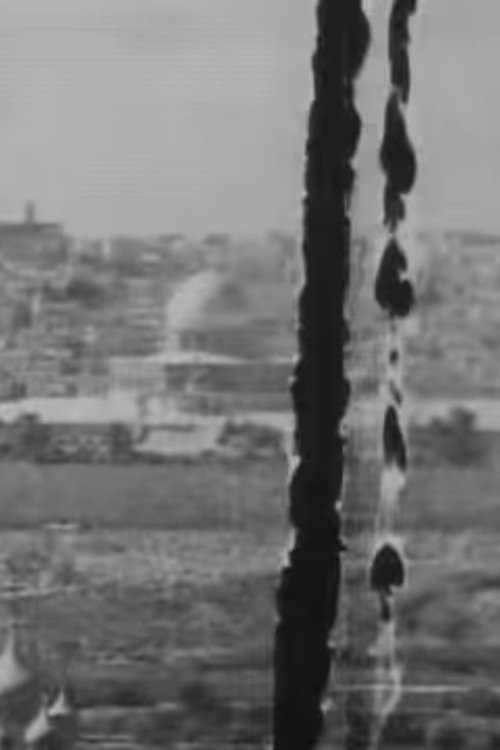
Jerusalem (al-Quds) 1968
Shot in 1968 by artist and technician Vladimir Tamari, *Jerusalem (al-Quds)* emerges as a raw, 17-minute documentary born from the first anniversary of the 1967 Arab-Israeli War.
Director: Vladimir Tamari
Frequently Asked Questions
What is Jerusalem (al-Quds) (1968) about?
This short documentary reflects on the first anniversary of the 1967 Arab-Israeli War through the lens of occupied East Jerusalem. Using archival footage and volunteer-led narration, it captures the emotional and political atmosphere of a city enduring displacement and resilience.
Who directed Jerusalem (al-Quds)?
The film was directed by multidisciplinary artist and technician Vladimir Tamari, who worked with UNRWA archives at the time.
Who stars in Jerusalem (al-Quds)?
Cast details for this 1968 documentary are not fully documented; however, the film features volunteered narrators and amateur contributors who lent their voices and music to the project.
Is Jerusalem (al-Quds) (1968) worth watching?
As a 17-minute historical documentary, *Jerusalem (al-Quds)* offers a rare, poetic perspective on a defining moment in Middle Eastern history. While it lacks commercial polish, its raw authenticity and cultural significance make it compelling for students of cinema and regional studies.
How long is Jerusalem (al-Quds)?
The runtime of *Jerusalem (al-Quds)* is 17 minutes.
About Jerusalem (al-Quds) (1968) — A 17-Minute Visual Elegy of a Divided City
Shot in 1968 by artist and technician Vladimir Tamari, *Jerusalem (al-Quds)* emerges as a raw, 17-minute documentary born from the first anniversary of the 1967 Arab-Israeli War. Tamari wove together archival footage from UNRWA's cinema archive—where he worked—into a visual elegy for a city under occupation. Amid the war's lingering shadows, the film captures the Palestinian spirit through volunteered voiceovers, original music, and unfiltered narrative, transforming technical archives into a deeply personal reflection on displacement and resilience. Its brevity belies its emotional weight, offering a glimpse into history as felt, not just recorded.
This short film stands as both historical artifact and poetic witness, distilling collective grief into a modernist meditation on identity and loss. Tamari's approach blends amateur passion with archival authority, creating a time capsule of voices and images that refuse to fade. *Jerusalem (al-Quds)* is more than a documentary—it's a quiet act of defiance, a cinematic letter from a city that refuses to be silenced.