
CHMTX-riport 2001
"The brat Puzsér's controversial documentary from 2001"
Dive into the chaotic world of *CHMTX-riport (2001)*, Róbert Puzsér's sharp and controversial documentary that peels back the layers of an underground anarchist faction born from an Eger-based band.
Director: Róbert Puzsér
Cast
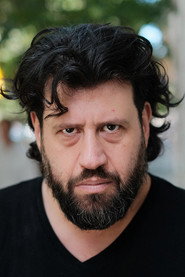
Frequently Asked Questions
What is CHMTX-riport (2001) about?
*CHMTX-riport (2001)* investigates a radical anarchist group that emerged from a Hungarian band, revealing their cryptic online presence filled with explosive content disguised as innocent topics. The film follows former members and leaders as they shed light on the group's unsettling goals and the bizarre duality of their propaganda.
Who directed CHMTX-riport?
The film was directed by Róbert Puzsér, a Hungarian filmmaker known for his provocative style and investigative documentaries.
Who stars in CHMTX-riport?
The documentary features Róbert Puzsér as both director and key figure, alongside interviews with former members of the anarchist group and a leader who discusses the organization's objectives.
Is CHMTX-riport (2001) worth watching?
Given its 22-minute runtime and genre-blending approach, *CHMTX-riport (2001)* offers a unique, if niche, viewing experience for fans of dark comedy and anarchist documentaries. While niche, its themes of extremism and irony make it a compelling watch for those intrigued by offbeat political narratives.
How long is CHMTX-riport?
The film runs for 22 minutes.
About CHMTX-riport (2001) — A 2001 Hungarian documentary blending anarchism, dark comedy, and explosive absurdity
Dive into the chaotic world of *CHMTX-riport (2001)*, Róbert Puzsér's sharp and controversial documentary that peels back the layers of an underground anarchist faction born from an Eger-based band. This 22-minute film thrives on tension and dark humor, uncovering the bizarre motives behind a radical group whose website bizarrely mixed bomb-making guides with child-friendly search terms.
The story unfolds through unsettling confessions from a former member, who fears backlash, and a leader's chilling justification: the group's twisted plan involves homemade explosives intended for family targets, designed to create societal chaos. Puzsér's investigative lens turns a seemingly absurd scenario into a gripping exploration of extremism, irony, and the blurred lines between activism and destruction.