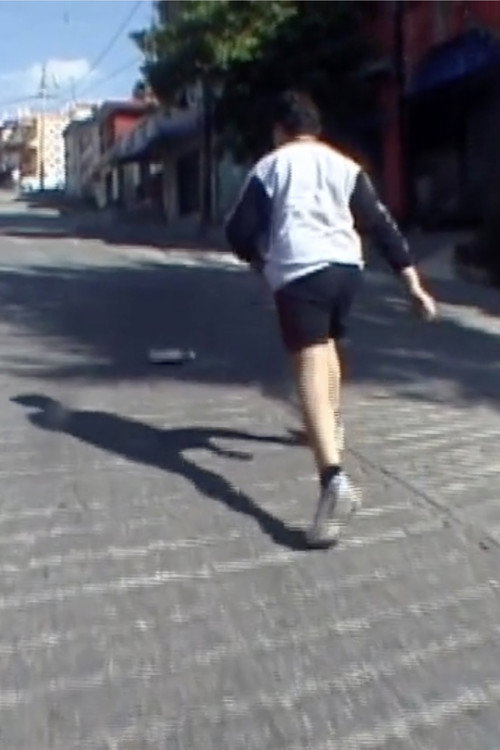
Children's Game #1: Caracoles 1999
Children's Game #1: Caracoles (1999) is a mesmerizing five-minute documentary by Belgian-Mexican artist and filmmaker Francis Alÿs.
Director: Francis Alÿs
Frequently Asked Questions
What is Children's Game #1: Caracoles (1999) about?
This five-minute documentary follows a young boy as he attempts to kick a half-empty plastic bottle up a steep hill in Mexico City. His effort becomes a meditative struggle against gravity, capturing the fleeting yet determined spirit of childhood play.
Who directed Children's Game #1: Caracoles?
Children's Game #1: Caracoles was directed by Francis Alÿs, a renowned Belgian-Mexican artist and filmmaker known for his poetic and socially engaged works.
Who stars in Children's Game #1: Caracoles?
Director information is not available.
Is Children's Game #1: Caracoles (1999) worth watching?
While it's an unconventional watch, Children's Game #1: Caracoles (1999) offers a unique and meditative experience. Its short runtime and artistic approach make it ideal for those who appreciate cinematic poetry and minimalist storytelling.
How long is Children's Game #1: Caracoles?
Children's Game #1: Caracoles runs for 5 minutes.
About Children's Game #1: Caracoles (1999) — A boy's Sisyphean quest with a plastic bottle
Children's Game #1: Caracoles (1999) is a mesmerizing five-minute documentary by Belgian-Mexican artist and filmmaker Francis Alÿs. Set against the backdrop of a sun-baked hillside in Mexico City, the short film captures a young boy's relentless quest to kick a half-empty plastic bottle to the top of a steep, winding shanty road. Accompanied by the distant strains of a norteño tune, his Sisyphean effort unfolds like a poetic dance with gravity. The bottle tumbles and ricochets, evading him at every turn before he manages to nudge it closer to the summit. Directed with a keen eye for visual rhythm, Alÿs turns a simple childhood game into a meditation on persistence and impermanence. The shimmering city below and the boy's solitary struggle create an atmosphere that feels both timeless and deeply rooted in urban life.
Alÿs's minimalist approach transforms a mundane moment into a miniature epic, where every kick, every near-miss, carries weight. The film's power lies in its quiet intensity—there's no dialogue, no grand score, just the visceral struggle of a child playing against the pull of the earth. The bottle, a symbol of modern waste, becomes a vessel for the boy's determination, and the hill, a metaphor for life's uphill battles. It's a fleeting yet unforgettable snapshot of resilience and playfulness in an ever-changing world.