Louis-Hippolyte Lafontaine 1962
Dive into the compelling legacy of Louis-Hippolyte Lafontaine, Quebec's trailblazing Chief Justice, through this concise 1962 short film directed by Pierre Patry.
Director: Pierre Patry
Cast
Frequently Asked Questions
What is Louis-Hippolyte Lafontaine (1962) about?
This short film explores the final days and pivotal moments in the life of Louis-Hippolyte Lafontaine, a pivotal figure in Quebec's political history. Through flashbacks, it examines his role as Chief Justice and his enduring contributions to French Canada's fight for autonomy.
Who directed Louis-Hippolyte Lafontaine?
Pierre Patry directed this historical short film, bringing Lafontaine's story to life with a focus on dramatic tension and authenticity.
Who stars in Louis-Hippolyte Lafontaine?
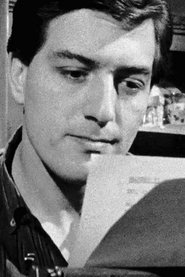
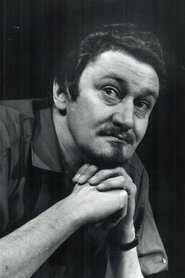
The film features Jean Coutu in the lead role, supported by Len Birman and Jean Gascon, who bring depth to the historical narrative.
Is Louis-Hippolyte Lafontaine (1962) worth watching?
While it's a short film, its historical significance and the gravitas of its subject make it a compelling watch for fans of Canadian history. The film's focus on political freedom and justice adds layers beyond its brief runtime.
How long is Louis-Hippolyte Lafontaine?
The runtime of Louis-Hippolyte Lafontaine is 28 minutes.
About Louis-Hippolyte Lafontaine (1962) — The Chief Justice's Legacy in a Short Film
Dive into the compelling legacy of Louis-Hippolyte Lafontaine, Quebec's trailblazing Chief Justice, through this concise 1962 short film directed by Pierre Patry. Told in a nonlinear fashion, the story opens on the final day of Lafontaine's life, unfolding key moments of his political journey through tense flashbacks. Shot entirely on location in Montreal, the film captures the weight of his contributions to French Canada's quest for political autonomy, blending historical gravitas with intimate storytelling.
With a blend of French dialogue and English subtitles, this historical drama offers more than just a biographical sketch—it's a meditation on leadership, sacrifice, and the enduring impact of one man's vision. The atmosphere is somber yet inspiring, reflecting the gravity of Lafontaine's era while resonating with timeless themes of justice and freedom.