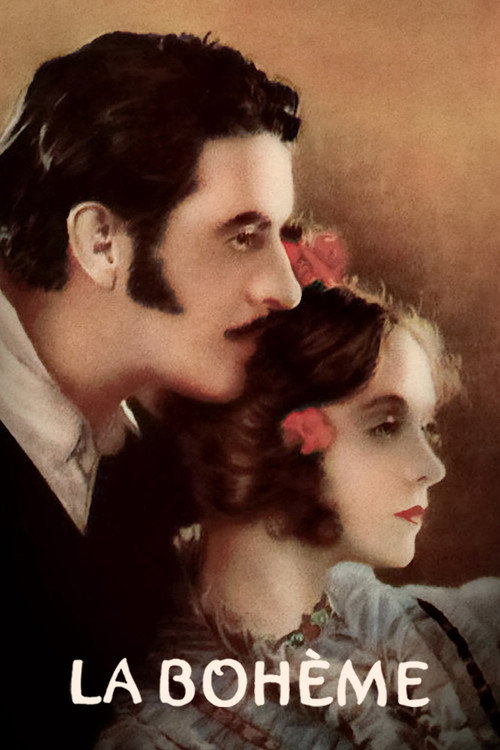
La Bohème 1926
King Vidor's *La Bohème (1926)* transports viewers to the vibrant yet gritty streets of 1830s Paris, where a tight-knit circle of struggling artists navigate love, poverty, and creative dreams.
Director: King Vidor
Cast

Frequently Asked Questions
What is *La Bohème (1926)* about?
*La Bohème (1926)* follows Mimì, a seamstress with a fragile spirit, and Rodolfo, a determined playwright, as they navigate the harsh realities of life as starving artists in 1830s Paris. Their love story blossoms amidst the city's bohemian energy, but poverty and illness threaten to tear them apart. It's a tale of resilience, sacrifice, and the fleeting beauty of young love.
Who directed *La Bohème*?
*La Bohème* was directed by King Vidor, a pioneer of American cinema known for his emotionally rich storytelling and sweeping visuals.
Who stars in *La Bohème*?
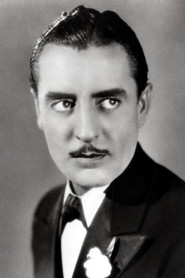
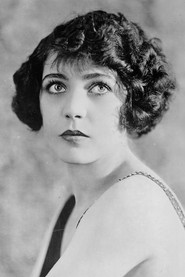
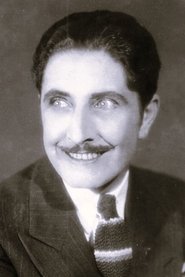
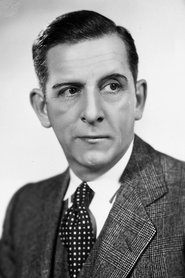
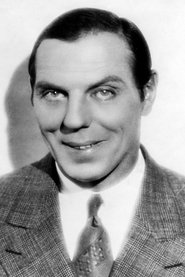
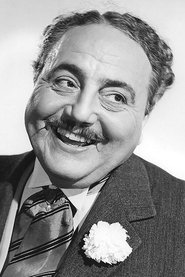
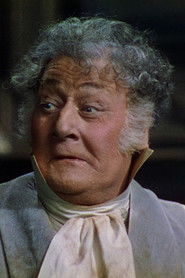
The film stars Lillian Gish as Mimì, John Gilbert as Rodolfo, Renée Adorée, Roy D'Arcy, and Edward Everett Horton, with standout support from Karl Dane.
Is *La Bohème (1926)* worth watching?
While *La Bohème (1926)* may not boast a modern rating, its emotional depth and stunning cinematography make it a compelling watch for fans of classic romance and drama. Vidor's direction elevates the material, making it a poignant exploration of love and hardship that resonates even today.
How long is *La Bohème*?
*La Bohème (1926)* has a runtime of 93 minutes.
La Bohème (1926): A Silent-Era Masterpiece of Love and Struggle — Full Movie Info
King Vidor's *La Bohème (1926)* transports viewers to the vibrant yet gritty streets of 1830s Paris, where a tight-knit circle of struggling artists navigate love, poverty, and creative dreams. At its heart is the tender romance between Mimì, a delicate seamstress, and Rodolfo, a passionate playwright battling to make his mark. Their story unfolds against a backdrop of bohemian cafés, cramped attic studios, and the raw energy of a city that both inspires and devours its dreamers. Vidor captures the bittersweet essence of artistic ambition, where hope flickers alongside hardship, and fleeting moments of joy are punctuated by inevitable heartache.
This silent-era classic shines through Lillian Gish's luminous performance as Mimì and John Gilbert's fiery portrayal of Rodolfo, their chemistry crackling with both warmth and melancholy. The film's sweeping visuals and emotional depth elevate it beyond mere melodrama, offering a poignant meditation on sacrifice, love, and the cost of pursuing one's passions. For fans of romance and drama, *La Bohème (1926)* remains a timeless exploration of what it means to live—and love—fully, even when the world offers little in return.